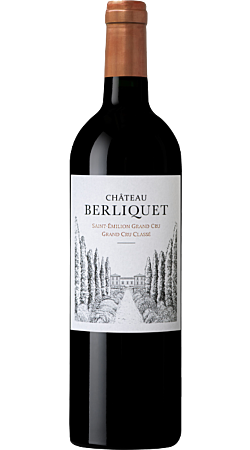
The history of Château Berliquet
FROM THE DE SÈZE FAMILY TO THE HOUSE OF CHANEL
The vineyard that makes up the estate ofBerliquet Castleis one of the oldest on the plateauSaint EmilionAlthough vines were cultivated in the region as early as the end of Antiquity, it was not until the arrival of the familyFrom Sèzeso that the Château could reveal itself. Enjoying a great reputation in the wine world, the family gradually built the estate's reputation. The Pères family would later take over.
In 1918, while theWorld War Iends, theCount Charlesacquires the castle. TheViscount Patrick de Lesquenwill succeed him. In 1978 the estate acquired its own winery in order to vinify the wines produced there at the Château.
Between 1997 and 2017Patrick Valetteoverseeing the operation is the responsibility of the estate. Ultimately, it was the haute couture house, Chanel, that acquired the Saint-Émilion estate in 2017. Nicolas Audebert was appointed head of the estate and intended to thoroughly reform the vineyard's operations. Both the methods and the overall philosophy of Château Berliquet were modernized. Proud of this extraordinary terroir, Chanel launched new vintages in 2018.
The terroir of the Grands Crus
SAINT-ÉMILION AND ITS CLASSIFIED VINEYARDS
It is at the heart of the appellationSaint-Émilionwhere is theBerliquet CastleIts vineyard comprises approximately ten hectares. Located on the limestone plateau of the commune, the vines, classified as a UNESCO World Heritage Site in 1997, enjoy an ideal climate. Facing west, the vineyard benefits from excellent exposure and relatively low rainfall. Situated near the Dordogne River, the vines are protected from significant climatic and meteorological variations. The vines, planted on the hillside, have an average age of 30 years. The Merlot (70%), Cabernet Franc (25%), and Cabernet Sauvignon (5%) grape varieties benefit from natural drainage. The limestone soil over a marly subsoil allows the grape varieties to offer aromas focused on minerality and lightness. The viticulture of thisGrand Cru Classéis done in a wayreasoned.
The expertise of the new teams
HAUTE-COUTURE MANAGEMENT
The harvest takes place between the end of August and the beginning of September and is done by hand. Ripening the berries is a priority for theBerliquet CastleThis can sometimes lead the vineyard teams to extend the harvest period. This is followed by vinification within each plot. After a very rigorous sorting process, the Merlot and Cabernet grapes are placed in the château's vats for initial maceration. This stage lasts between 20 and 30 days. Alcoholic fermentation then takes place in temperature-controlled stainless steel micro-tanks. The wines are then aged in French oak barrels, half of which are renewed annually. The precious wines are housed in the underground cellars, carved into monolithic chalk. The wine will then be blended.after 18 months.Stéphane DerenoncourtAndNicolas ThienpontTwo big names from the region, accompanyNicolas Audebest.