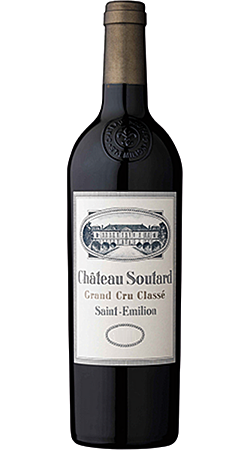
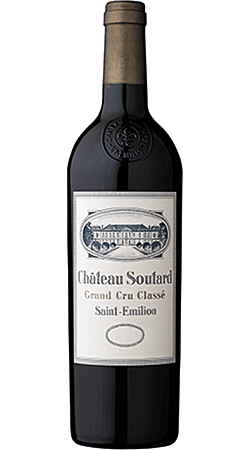
From Domaine de Bourdieu to Château Soutard
A history spanning over 500 years
The story ofChâteau Soutardis over five centuries old. This large farm appeared in 1513, not far from the church ofSaint-EmilionThe Du Bourdieu de Mayne de Soutard estate was acquired in 1699 by Jean Couture, who developed the wine-growing activity. The château as we know it today was built in 1741. Mr. Couturier's family dedicated themselves to viticulture.
In the 19th century, Jean Lavau, one of the largest landowners in the appellation, acquired the estate. Château Soutard was then passed on in 1919 to Michel de Ligneris. Finally, a large insurance company purchased the Château in 2006. In 2009, the vineyards of Château Cadet Piolat were acquired and incorporated into those of Château Soutard. In 2012, this unified estate was officially recognized through classification. It is todayBertrand de Villaineswho manages Château Soutard,Grand Cru Classéand which ensures its influence both in France and abroad.
The ideal terroir for a Grand Cru Classé
Respectful viticulture
It is in the terroir of the appellation ofSaint Emilionthat extend the 60 hectares in a single block ofChâteau Soutard.This was, in fact, the first Château to plant its vines in rows. For five centuries, Merlot (63%), Cabernet Franc (28%), Cabernet Sauvignon (7%), and Malbec (3%) vines have been planted on the renowned plateau. Three types of soil make up the terroir of Château Soulard. The plateau is predominantly composed of clay and limestone. On the slopes, clay predominates, while at the foot of the hills, the soil is sandy.
Viticulture conducted byOlivier Brunelwants tobiologicalWhile not certified organic, the vineyard uses traditional soil cultivation methods. Earthing up and earthing down is carried out once a year, and pruning is favored over green pruning. Planting density was increased starting in 2008 to promote vine competitiveness and encourage a greater concentration of aromas.respect for the plantis the watchword in the vineyard.
The expertise of Véronique Corporandi's teams
The production of a clean and straightforward wine
After a harvest done by hand, it'sVéronique Corporandiwho is in charge of the winemaking process. The grape bunches are placed overnight in cold rooms before being sorted on a vibrating table the following day. After destemming, the grapes are sorted again by density to retain only the ripest berries. Pre-fermentation maceration lasts for five days. This process takes place in 60-hectoliter truncated conical tanks. The combination of stainless steel and wood allows the winemaker a wide range of expression for the grape varieties. Fermentation lasts about ten days with pump-overs. Malolactic fermentation then occurs, half in the tanks and half in barrels. Aging takes place in oak barrels, 60% of which are new, for 18 months. The blending is carried out by the management team of theChâteau SoutardThe wine comes out.net, rightAndtailored for the guardUpon tasting, this grand cru classé wine truly lives up to its appellation.Saint-Emilion.