The history of Bellevue Castle
A benchmark domain
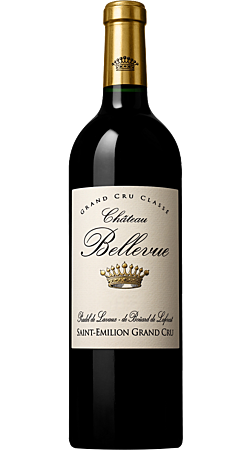
THEBellevue CastleIt has a long and rich history dating back several centuries. As early as the 19th century, the estate already enjoyed a solid reputation among the vineyards ofSaint-Émilion.It was only at the beginning of the 20th century that the château truly flourished, driven by passionate owners. At that time, major works were undertaken to modernize the facilities, improve winemaking practices, and replant certain plots with noble grape varieties such as Merlot, the king of Saint-Émilion grapes.
The various owners who have succeeded one another have all been committed to maintaining and developing theexceptional qualitywines produced inBellevue CastleIn 2007, the estate was acquired by the familyPradel de Lavaux, in partnership with one of the most influential families in the region, theCounts of Boüard de Laforest, already owners of the iconic Château Angélus. This collaboration has breathed new life into the estate, while preserving its historical heritage.Bellevue CastleToday, theThe Pradel family of Lavauxcarefully ensures the quality of the wines and respect for traditions, while integrating modern practices to enhance the terroir of Saint-Émilion.
The Château Bellevue vineyard
An exceptional terroir
The vineyard covers an area of6.82 hectares, and is located at an altitude of75 metersEnhanced by Mediterranean and Atlantic species, these specific characteristics give the vineyard a unique biodiversity.exposure is south and southwestand benefits from a range ofclay-limestone soils.Bellevue CastleIts magnificent park overlooks the entire Dordogne Valley, and all around it unfold the vineyards of the Château. At the top of the slope, the soils are composed of marine limestone, rich in magnesium and iron, and quite clayey. Lower down, the soils are derived from sandy colluvial deposits, with low limestone content, siliceous, and more acidic. This unique diversity of soils and this array of exceptional and unique terroirs contribute to the complexity of the wines.AOC Saint-Emilion Grand Cruproducts by Château Bellevue.
Winemaking at Château Bellevue
Meticulous expertise
Derenoncourt Consultants, now in charge of the oenology of theBellevue Castle, continues the tradition of a winegrowing culture that respects the terroir. The harvest is entirely done by hand. Fermentation takes place in stainless steel, concrete, and wooden vats with a temperature control system. Maceration lasts for a period of2 to 3 weeksand the wine is immediately put into barrels after draining. Aging, meanwhile, takes place on16 to 20 monthsand the bottling is done directly at the Château. On average,20,000 bottlesare produced each year. Regarding the grape varieties, the vineyard is cultivated with100% Merlot.Today, the wines are distinguished by their power, as well as their tannic structure and magnificent roundness.