Château Filhot since the 15th century
A castle with a glorious past
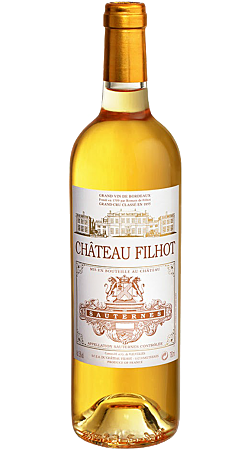
THEChâteau FilhotIt boasts a rich history dating back to the 15th century. Indeed, the vineyard was established between approximately 1630 and 1650. It then acquired the name it still bears today in 1709, when Romain Filhot, a councilor in the Bordeaux parliament, became the owner of the estate. Château Filhot has never since left theFilhot familyuntil today. Indeed, it is nowGabriel,son of Count Henri de Vaucelles, who has headed the estate since 1996. The Château owes its renown, of course, to its vineyard and the exceptional wine produced there, but also to its very large English-style park, created in 1845 by landscape gardener Louis-Bernard Fischer. The wines produced by Château Filhot have been known and highly regarded for a very long time. Indeed, they were awarded the title ofSauternes Grand Cru ClasséMoreover, during the 19th century, they were exported all over the world under the name Château Sauternes, before finally reverting to their original name from 1901 onwards.
A typical château of the Sauternes appellation
The ideal terroir of Château Filhot for high-end viticulture
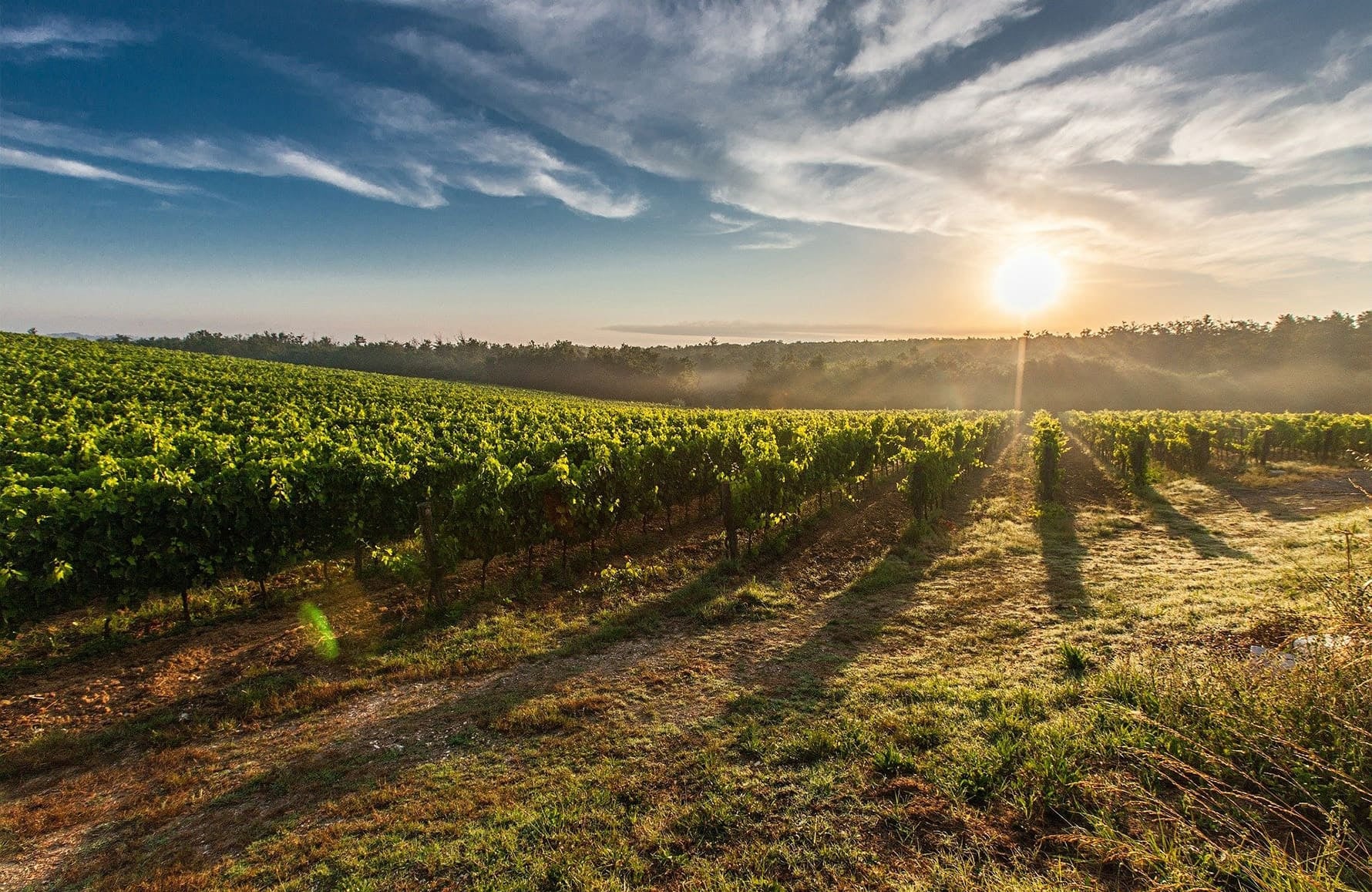
THEChâteau Filhotis located at the heart of the appellationSauternesThe estate, which spans 2,200 hectares, lies between the villages of Sauternes, Barsac, Bommes, Fargue, and Preignac, about forty kilometers southeast of Bordeaux. More precisely, the estate is situated on the southern slope of the Sauternes hill, within the width of the village of Sauternes, on south and southwest-facing slopes.62 hectareswhich make up the vineyard, have ideal microclimatic conditions for the development ofbotrytis cinerea, also known asnoble rotThese conditions are indeed due to the presence nearby of the Landes forest and the Ciron, a small tributary of the Garonne. The soil itself is composed ofgravel, clay and sand,all resting on alimestone plateauThe terroir of Château Filhot is therefore ideal for white grape varieties. It was logical, then, that the choice was made to plant 60% Sémillon, 36% Sauvignon Blanc and 4% Muscadelle.
Unparalleled expertise
Château Filhot among the greatest Sauternes
The leaders ofChâteau FilhotThey chose to opt for manual harvesting with successive sorting for a very specific purpose. This allows them to meticulously select each grape, keeping only those that have reached perfect ripeness and are best affected by thebotrytis cinereaThis method therefore results in very low yields, but is also the cause ofexceptional wines.
Thus, the wines produced at Château Filhot are distinguished by their freshness, the finesse of their sweetness, their mineral character, and their incredible balance. Furthermore, the vineyard's various cuvées all reflect the typicity of the appellation.Sauternes, with golden, smooth, fine, and delicate wines. The "roasted" bouquet, on the other hand, is ideal for wines meant for aging, which after a few years become rich and complex, with notes of honey, hazelnut, and candied orange. As you will have gathered, whether you are an amateur or an expert, tasting a vintage from Château Filhot will undoubtedly delight you, fully deserving its title ofGrand Cru Classé.