The land of Saint-Emilion
the origin of wine
The 17ha vineyard in one single block ofChâteau FonroqueIt comprises approximately one-third of the vines at the top of the plateau (an extremely high-quality terroir with poor soil on a limestone bedrock), one-third of the vines mid-slope with clay-limestone soils, and one-third of the vines at the foot of the slope with soils less rich in limestone. Since 2001, several rows have been added, resulting in optimal management of the grape varieties.Merlot(85%) andCabernet Franc(15%) has been redefined and, most importantly, drains have been put in place to allow the retention and flow of rainwater.
Moueix Family
Exceptional men and women
Historical birthplace of the familyMoueix, THEChâteau Fonroqueis owned byJean MoueixSince 1931. The management of the family estate has passed successively from Jean, to his son and then to his grandson.Alain MoueixIn 2001, Alain Moueix, a trained oenologist, implemented the principles of organic farming in 2002 and undertook a conversion to biodynamic farming between 2003 and 2005. A few years later, he hiredLaurent Nougaroto assist him in the field.
Château Fonroque
Character & know-how
The composite nature of the soils ofFonroqueallows for the production of wines of a great pedigree at the same timeauthenticAnddeepLimestone contributes minerality, finesse, and depth, while clay provides breadth and aromatic potential.biodynamicsgives the wines a freshness and aexceptional storage potential.
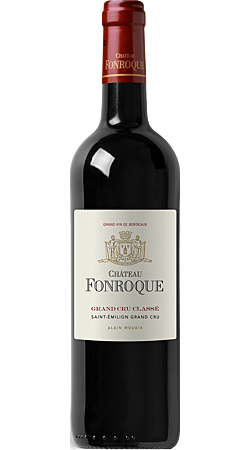
Fonroqueproduces two wines with a very advantageous price-quality ratio: theChâteau Fonroqueand its second wine, intended to be drunk more quickly, theChâteau Cartier.