The History of Château La Serre
From the Menuts to the Arfeuille family
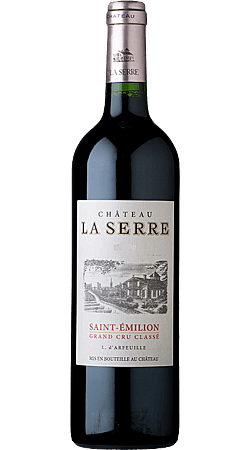
At the location ofChâteau La Serre, the cultivation of vines on theSaint-Emilion plateauIt dates back to the 15th century. Initially, it was the monks of the Franciscan order who cultivated the vines. These monks were called "Menuts" because their cassocks were tied with a rope. In Saint-Émilion, they were known as the "Menuts," a name that would later be given to the plateau. It wasn't until the end of the 17th century that Romain de Laboym, Lord of Laserre, acquired the estate and built a château there.
Wine production continues and is constantly expanding. In 1956,Luc and Béatrice d'Arfeuillebuy theChâteau La Serreand will ensure its development. To achieve this, major renovation work was undertaken starting in 1970. In 2013Arnaud d'ArfeuilleThe owner's nephew joined the estate and took over its management.Grand Cru Classé Saint-Emilion.
The classified terroir of the Grands Crus of Saint-Emilion
The Menuts Plateau, a showcase for wines
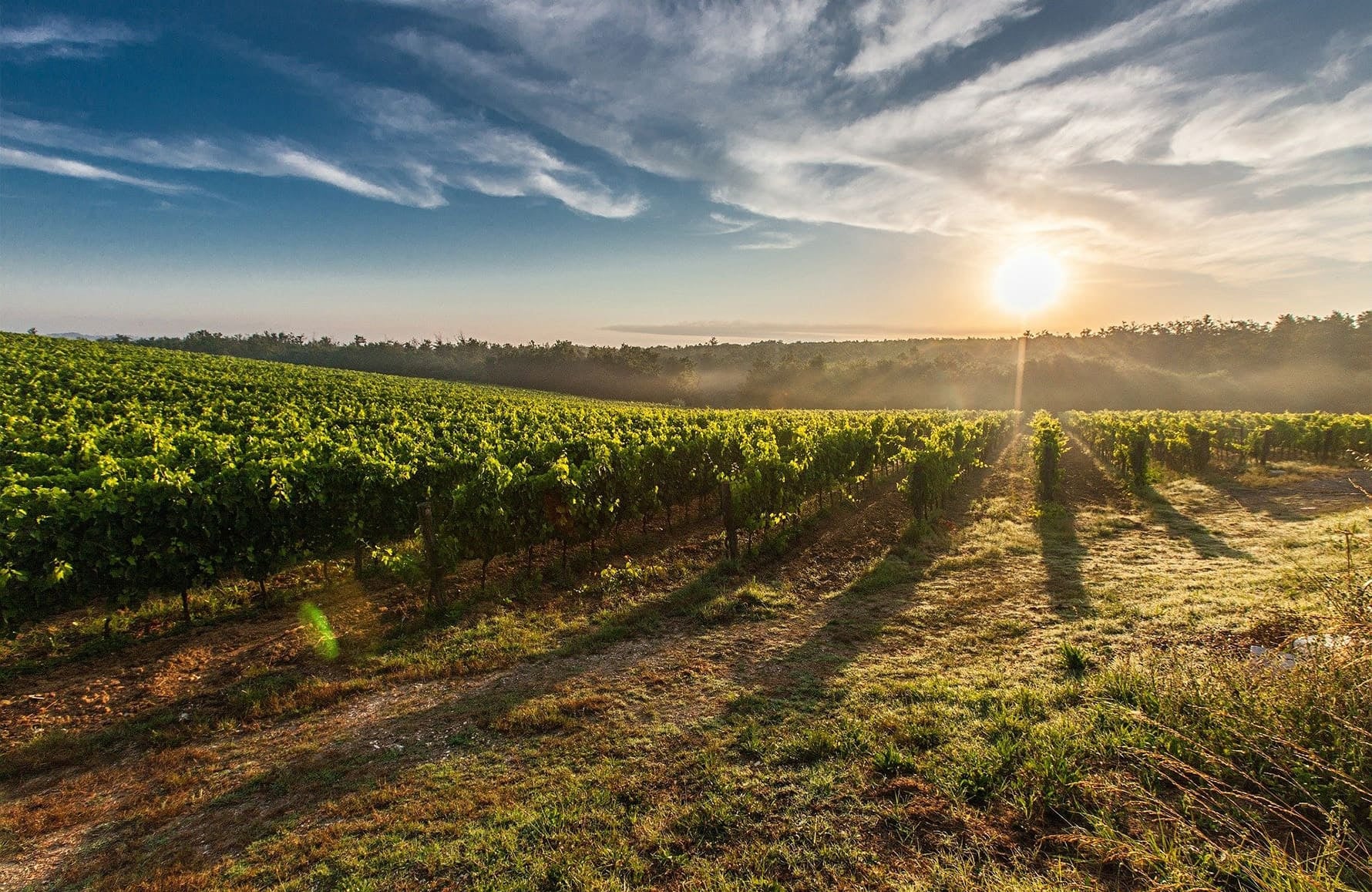
THEChâteau La Serreis located atSaint-Emilion, on the right bank of the Bordeaux region. On the Plateau des Menuts, composed of limestone rocks containing Asterias fossils, the estate extends over7 hectaresThe estate's location is doubly exceptional. Firstly, it lies within an appellation classified as a UNESCO World Heritage site. This classification guarantees the integrity and protection of the terroir. Secondly, the soil is among the most interesting for winemakers to work with. Its complexity allows the Merlot (80%) and Cabernet Franc (20%) grapes to fully express their characteristics.
The limestone rocks prevent the vines from sending their roots deep into the soil. This limits the vines' ability to absorb water. This phenomenon allows each of the two grape varieties to produce berries with concentrated aromas. Furthermore, the plateau enjoys excellent sunshine. The east-facing vines benefit from ideal exposure. It is atraditional viticulture, reasoned and mechanized which is exercised atChâteau La SerreNo inputs are used, and yields are carefully controlled. High standards are applied at every level of viticulture. For example, the vines are regularly renewed to maintain an average age of 35 years. Interventions in the vineyard are kept to a minimum to encourage the natural development of the grapes. Thinning is only carried out if development is delayed at harvest time.
Located east ofSaint-Emilion, not far from Château Trotte Vieille, this Grand Cru Classé is cherished by the winemaking teams.
The finesse of the wines from Château La Serre
Technique and know-how
It is the desire to fully and completely express theterroir of Saint-Emilionwhich guides the winemaking teams. After a hand-harvested grape harvest, the bunches undergo cold fermentation. A laser optical sorting process then takes place. Technology thus guides each step of the winemaking process to ensure the most faithful expression of the fruit.
The grapes are then placed in temperature-controlled cement and stainless steel vats for maceration. After this period, the young wines are transferred to oak barrels. These barrels are regularly renewed, largely every year. Aging takes between 15 and 18 months. The wines are blended and bottled under the watchful and demanding eye ofNoel Boudot, the cellar master.
Each vintage ofChâteau La Serrereveals all the finesse of the terroir ofGrands Crus of Saint-Emilion.