The ancient history of Reysson Castle
A SITE MADE UP OF REMAINS OF THE PAST
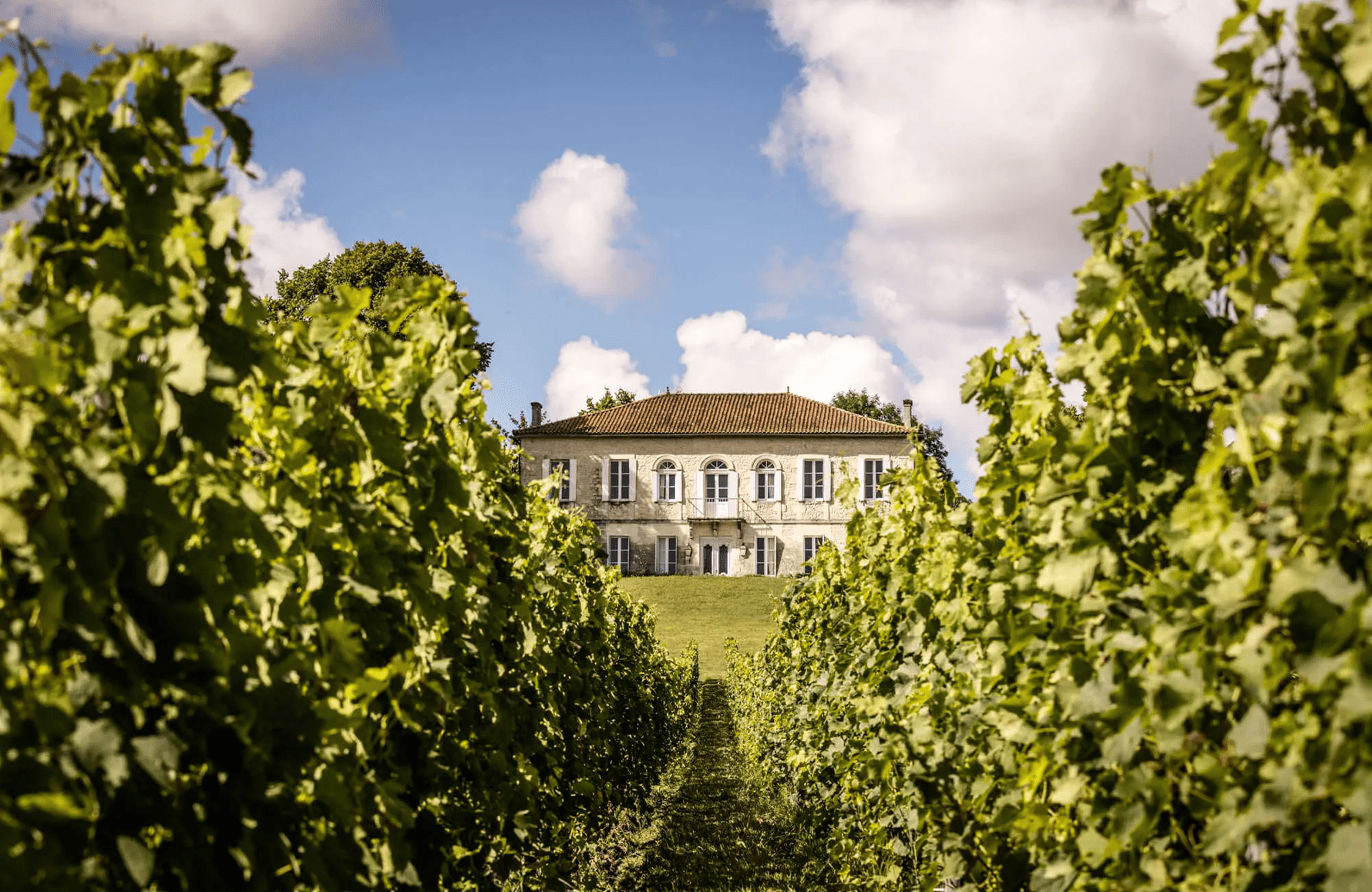
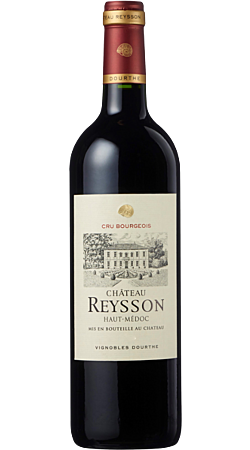
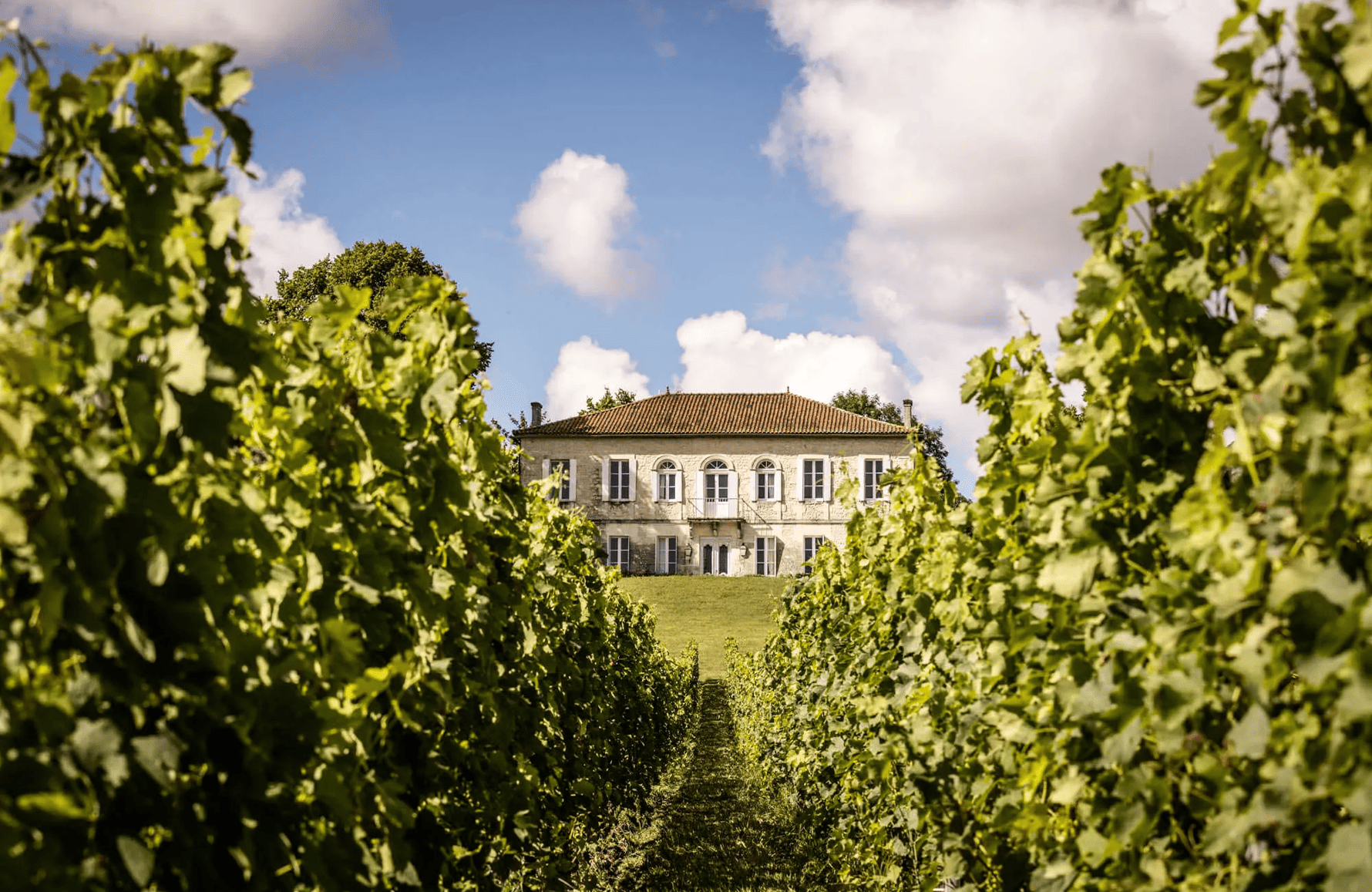
The estate has a remarkable and ancient history. Archaeological excavations have unearthed the remains of a theatre dating back to the2nd century BCour era, when a Gallic people founded Burdigala, the ancient name for the city of Bordeaux. Traces of a medieval building, which already bore the name at that time, can also be found on the estate.ReyssonIn the 19th century, the castle was called “Bigot Building”, before reverting to its original name. In 1850, the first edition of the Féret guide classified theReysson Castleamong the “remarkable wines.” Alfred Dreyfus, a well-known financier, acquired the property in 1891. The Château ranked alongside the best Crus Bourgeois of the commune until the early 20th century, when Alfred Dreyfus's heirs sold the estate. The Château then changed hands regularly, and its reputation gradually faded. Its acquisition by the Japanese wine and spirits company Mercian Corporation in 1988 breathed new life into Château Reysson. In 2001, the Japanese group entrusted the management of the estate to the Dourthe team, who brought all their experience and expertise to restore its former glory.Crus Bourgeois Haut-MédocIn 2014, the Dourthe group bought the Château and continued the adventure that began in 2001.
The exceptional terroir of Château Reysson
DEVELOPMENT WORKS TO UNLOCK THE FULL POTENTIAL OF THE LAND
The estate's 43 hectares of vines benefit from ample sunshine and rest on aclay soilwith a significant proportionstarfish limestoneThis terroir is exceptional inMedocand is perfectly suited to the cultivation ofmerlot, the dominant grape variety at Reysson since the vineyard's creation. The potential of this terroir did not escape the Dourthe team, who began significant improvements across the entire vineyard in 2001. Leaf area was increased, canopy management was carried out, and a replanting program was undertaken. The finest terroirs were selected, and the planting density was increased to 6,700 vines per hectare. Two grape varieties are cultivated at Château Reysson: Merlot, which represents 85% of the plantings, and thecabernet sauvignonThe vineyards are cultivated using sustainable methods, and much of the work is done by hand, such as bud thinning and harvesting. Vineyard work follows the vine's natural growth cycle and is adapted to each plot. The harvest is also adapted to each plot and takes place according to the ripeness of the grapes. The berries are meticulously sorted and begin immediately after picking in the vineyard.
The ambition of Château Reysson
A HIGH-QUALITY, ACCESSIBLE, AND ACCESSIBLE HAUT-MÉDOC CRU BOURGEOIS REFERENCE WINE
Since the Dourthe group took over the estate, significant investments have been made in the cellars to enable the teams to achieve the desired quality. A Viniclean sorter receives the freshly harvested grapes and removes plant matter before a final hand sorting on a vibrating table. The vat room ofReysson CastleThe estate has 22 temperature-controlled stainless steel tanks with capacities ranging from 140 to 230 hectoliters, allowing for plot-by-plot selection during vinification. Batches with high potential undergo cold pre-fermentation maceration. Aging then takes place in old oak barrels.for 12 to 14 monthsThe winery is equipped with a temperature and humidity control system to ensure ideal conditions for aging the wine. The result of this expertise is a powerful red wine with structured and harmonious tannins.Cru Bourgeois Château ReyssonIt reveals beautiful fruity and spicy aromas and offers good aging potential. The Dourthe group has thus succeeded in achieving its ambition and making Château Reysson a benchmark of the Haut-Médoc, both accessible and of high quality.