The history of this family estate
Santenay, land of passion
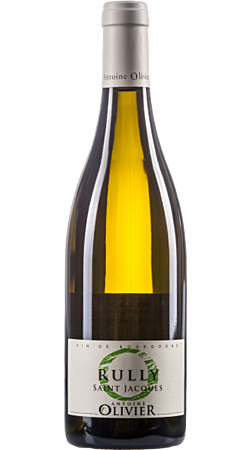
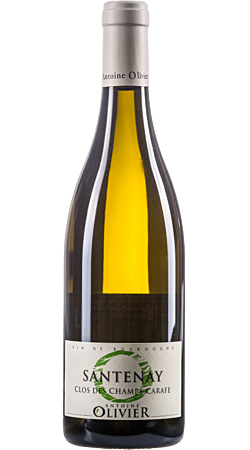
This family estate was established in 1967 inSantenayin Burgundy.Hervé Olivierinherited some vines from his grandfather and then expanded the property by buying more plots.Olivier familydedicated its efforts to showcasing ancient terroirs, renowned for producing Santenay white wine. These century-old terroirs have allowed the estate to enjoy a very fine reputation within the region. The majority of the white wines ofSantenayare produced by this property. In 2003, Henri handed the reins to his son.Antoine OlivierThis talented winemaker remains true to his convictions: professional rigor, while maintaining a touch of lightness in his work. Immerse yourself in the world of this winemaker, where Chardonnay and Pinot Noir reign supreme and where environmental preservation is essential, much to our delight.
Preserving the local area, a priority
The quality of a wine begins with respect for the terroir.
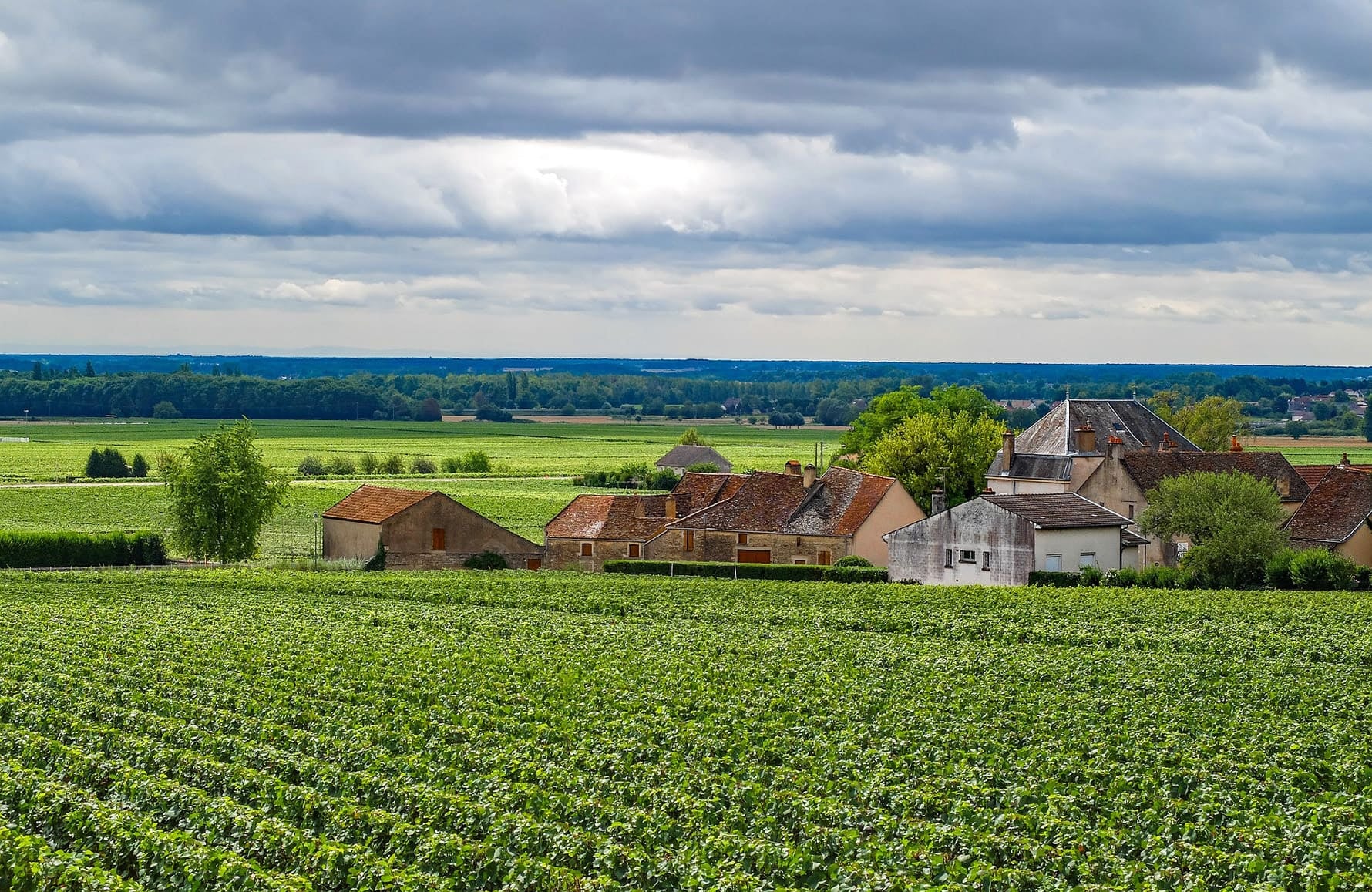
The 12-hectare vineyard ofDomaine Antoine OlivierThis allows for the production of mostly red wines (7 hectares). The winemaker cultivates his land with the utmost respect for nature and his vines. As he likes to say, “The quality of a wine begins with respect for the terroir and the environment.” In the vineyard, no synthetic products, pesticides, or herbicides are used. To maintain his soils, the winemaker favors tilling and the use of herbal teas. Yields are limited, and the harvest is done by hand. All this care given to the vines results in healthy grapes that reflect the purest expression of their terroir. This winemaker adopts sustainable agricultural practices.biologicalAndbiodynamicHe has chosen not to apply for certifications. His goal is not to obtain a label but to promote his local produce, respect the environment, and pass on a preserved heritage to future generations.
Great care was taken during the winemaking process.
Wines that fully express their terroir
In the vineyard as in the winery, preserving the quality of the fruit is a priority. For the production of red wines, the grapes are meticulously sorted and then either destemmed or kept inwhole bunchesDepending on the ripeness and the desired wine style, whole-cluster fermentation varies from 25% for the easiest cuvées to 100% for the most complex terroirs. The grapes are then placed in stainless steel tanks where they remain for approximately three weeks. No punch-downs are performed, only pump-overs. Pumping over allows the must (the fermenting grape juice) to be drawn from the bottom of the tank to the top, thus promoting a gentle extraction of tannins. Once vinification is complete, the wines are aged in barrels for a minimum of 12 months. For the production of white wines, the grapes are pressed using a traditional mechanical press to extract all the juice. After a quick settling, the must is placed in barrels for fermentation. This process lasts several weeks, during which lees stirring is carried out. The wines then spend 12 months in barrels on their lees, without racking. After a year in barrels, all the wines complete their aging process in tanks for several months. This allows the wines to stabilize naturally before bottling. The red wines are neither fined nor filtered. As for the white wines, they are lightly filtered to preserve their brilliance and clarity.