A family estate
Again for a new generation
In the hands of the familyVoillotFor six generations, the estate has been passed down through the generations. Today, it is managed byJean-Pierre Charlot, the son-in-law ofJoseph Voillot, a scholar of oenology. He also taught atBeauneto the new generation of winemakers. For the past few years,Etienne ChaixJoseph's grandson also joined the estate's activities. WhileJean-Pierre CharlotAs he was preparing for retirement, he despaired of finding a successor within the family. One of his nephews, Etienne, who until then had been growing grain, convinced his family of his ability to take over the estate. Jean-Pierre extended his contract for three years, giving Etienne time to pass on the art of winemaking. Vinification, aging, and sales, coordinating the team, and managing the day-to-day operations of the estate—all these skills needed to be passed on. The wines produced by the estate are nearly...VolnayThey are jewels and they are well on their way to remaining so.
13 appellations, 14 different wines
Winemaking in accordance with tradition
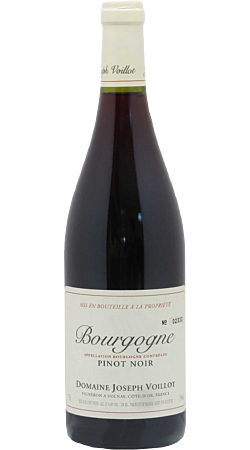
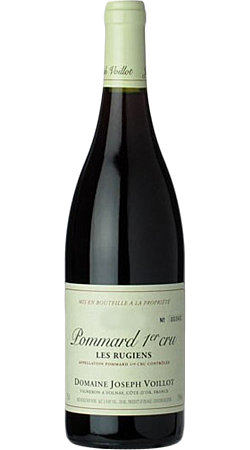
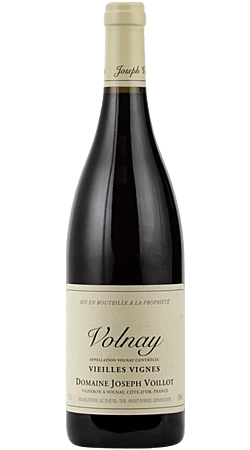
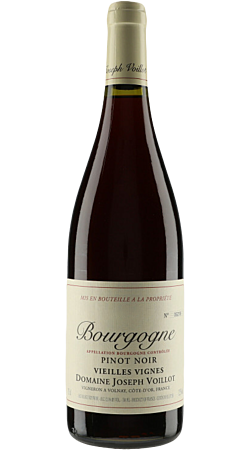
Only 10 hectares of vines are used for winemaking across 13 different appellations, spread overVolnay, Pommard, Meursault and Beaune.Pinot noir and ChardonnayThese, of course, are the unique grape varieties of the estate. They are vinified plot by plot so that each of the cuvées, each of the crus, expresses the typicity of the vineyard on which it is located.
In the vineyard and the winery, the work with the grapes is carried out in strict accordance with the established rules.BurgundiansThe soil is worked two to three times a year. The wines are made using traditional or plot-by-plot methods. Indigenous yeasts are used to preserve the wine's natural character. Aging takes place in 25% new oak barrels for 16 to 18 months.
The wines of the estate
Difficult years
The previous years had been difficult for the estate. 2013, 2014, and 2015 were affected by frost, and 2016 by hail. The estate suffered a series of setbacks. Each less abundant than the last, the 2016 harvest finally discouraged the winemakers, weary of the low yields. Certainly, the quality was there, and the wines were recognized for their incredible finesse, delicacy, and elegance. However, this was not enough to replenish the coffers of an estate whose harvests had not reached the expected quotas since 2009. Relief finally arrived in 2017 with 125 barrels of 220 liters filled (compared to 71.5 the previous year). More than 37,000 bottles produced, remarkable quality, and enough to bring a smile to the winemakers' faces. Etienne Chaix, fortunate for his first solo harvest, has all the cards in hand to perpetuate the excellence of the estate's wines.