The history of the Ponsot estate
A family property, from Ponsot to Ponsot
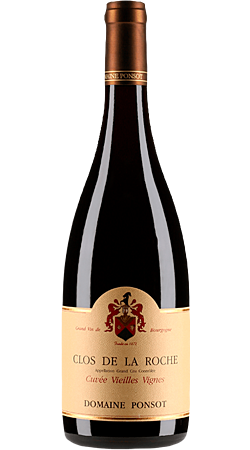
William Ponsot bought the estate in 1872. His nephews took over in 1920 and further expanded the vineyards. The estate already included Clos des Monts-Luisants and theClos de la RocheThe family contributes to the region's influence by participating in the creation of theAOC Burgundyand by exporting its wines abroad. In the 1960s, the family became pioneers in clonal selection. Many plans forPinot Noirselected for the clones (113, 114, 667, etc.) are derived from strains of theClos de la Roche.
Today, Alexandre Abel is attendingMarie-Rose Ponsot, the estate manager. The property remains in the family.
The vineyard of the estate
Respect for nature and traditions
By settling inMorey-Saint-DenisWilliam Ponsot has stacked the odds in his favor.Clos des Monts-Luisantsand theClos de la Rochewere partially attached to the estate. Gradually, the Ponsots acquired a larger part of theClos de la Roche.Thanks to this exceptional terroir, the family produces wines of very high quality. In total, the vineyard covers 8 hectares of vines planted with Pinot Noir and Aligoté. The vines are on average 40 years old and grow in limestone and clay-limestone soils. The grapes are harvested at full maturity to bring out the full body and character of the wines.Domaine PonsotThey practice natural viticulture to showcase the richness of the Burgundy terroir. Without claiming organic or biodynamic certification, they listen to and respect their land and preserve their heritage as much as possible. Human intervention is limited, and only the most natural products possible are used in the vineyard.
The style of the wines
10 Grands Crus, a range that aims for excellence
The wines are vinified in large oak casks. They are aged for two years without new oak and with very little sulfur. With aging, the full identity of the terroirs and cuvées is expressed without the pronounced imprint of oak. The estate does not hesitate to declassify or withdraw from the market a wine that does not reflect its appellation or terroir. The aim is to produce authentic wines without succumbing to trends.
The use of sulfur is very limited. The wine is exposed to as little oxygen as possible, so its natural elements are sufficient for its preservation. The estate produces 83% red wines and 17% white. Today, the property boasts 10 Grand Cru vineyards, including Clos de la Roche, the estate's legendary cuvée. This wine displays remarkable breadth, a fine tannic structure, and magnificent aging potential. The astonishing Premier Cru white wine from Morey-les-Monts-Luisants is a spicy and fresh Aligoté with wonderful hints of licorice. The vast majority of the production comprises Grand Cru or Premier Cru vineyards. The quality of the wines is undeniable; they are exported and sought after by connoisseurs of fine Burgundy wines.