The epic story of Clos Canarelli
The humility of a winemaker destined to reinvent the great wine of Corsica
Located in thesouthern Corsica, on the appellationFigari, THEClos Canarelliis the result of the revelation of a talented winemaker.Yves CanarelliHe was initially hesitant to take over the family vineyards, which were then a secondary activity for the Canarelli family. In 1993, he modestly began his work with only a cellar he shared with seven other winemakers, containing just two presses. While the conditions seemed precarious, they were enough for Yves Canarelli to distinguish himself and make a name for himself among sommeliers and the wine world. He then took off and expanded the vineyard to around thirty hectares in Figari and five inBonifacioThen, in 2007, a new, state-of-the-art cellar was built. Finally, since 2009, Yves Canarelli has been cultivating a vintage on a new pre-phylloxera plot on theOrazi village.
Clos Canarelli now covers 37 hectares and produces red, white and rosé wines under the Figari appellation, made from numerousnative grape varietiesHis quest is now focused on an abandoned enclosure near Bonifacio.
The vineyards of Clos Canarelli
Ancient grape varieties that perfectly express their terroir
The 37-hectare vineyard ofClos CanarelliThe vineyard is situated on clay-limestone soil and benefits from optimal sunshine. Some plots reach an altitude of 1,300 meters, and the significant temperature difference between day and night is favorable to the ripening of the grapes. Indeed, the vines are cooled by sea breezes, and the best plots of the estate face north-northwest. The steep vineyard is surrounded by fig trees and cork oaks.Yves Canarellipractice aBiodynamic viticulture certified by EcocertThe vines are trained using a simple wire system, and pruning is done to leave only 6 bunches per vine. Tasks such as leaf removal and harvesting are carried out by hand. At Clos Canarelli, one findsold, forgotten grape varietiessuch as the muresconu, cultivated on pre-phylloxera plotsaged 140ofTarra d'Orasi, or even the carcaghjolu neru. In total, 12 grape varieties are planted:
- the niellucciu
- the syrah
- the sciacarellu
- Grenache
- the carcaghjolu neru
- the minustello
- the moresconu (red)
- Vermentinu (white)
- Genovese (white)
- codivarata (white)
- the bianco gentile (white)
- the rhyme (white)
These different grape varieties express themselves wonderfullythe richness of their land.
The Clos Canarelli wine cellar
The return to amphorae for winemaking
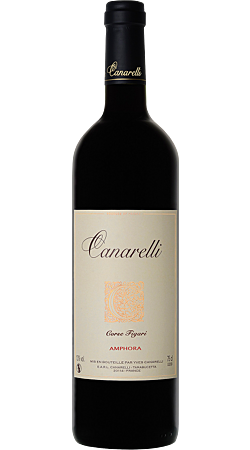
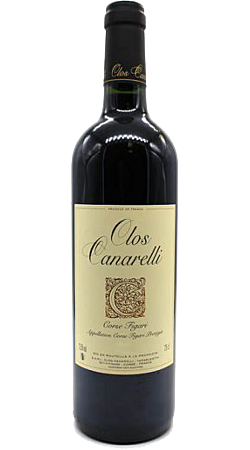
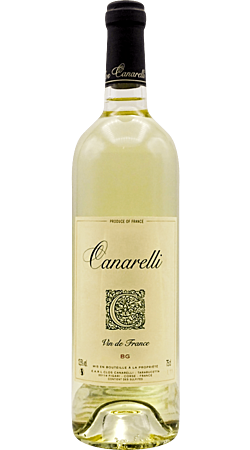
The grapes destined for white and rosé wine production are pressed, and the juice is settled for 48 hours at 14°C. Fermentation takes place in stainless steel tanks for the rosé wines for three weeks, while the white wines begin their fermentation in tanks before being transferred to Stockinger casks. After destemming, the red grapes are crushed and vinified in tanks. Aging takes place in casks and barrels for 16 months using indigenous yeasts.Clos Canarelli,audacity is required andYves Canarellialso usesamphoraefor vinifying certain cuvées. Designed for transport in Roman times, amphorae impart a natural fruitiness and sublime depth to the wines they contain. The white wines of Clos Canarelli are well-balanced between roundness and vibrancy, offering aromas of fresh flowers in their youth and revealing, with time, more mineral notes and aromas of honey and spice. The red wines possess aromas of red fruit as well as velvety, well-structured tannins. With time, they gainin complexityand aromas of leather and cocoa appear.