The history of Clos du Serres
A couple of passionate people
The story ofClos du Serresbegins in 2006 whenBeatrice and Sébastien FillonThey settled in Saint-Jean de la Blaquière. The couple chose this property because of its unique climate and the beautiful geological diversity of its soils. Not to mention its ideal living environment; the estate is located in the heart of nature. It is close to major protected natural sites such as Lake Salagou, the Hérault Gorges, and St. Guilhem, a UNESCO World Heritage Site. The term“greenhouses”It means hills in Occitan. The name of the estate therefore refers to its location, surrounded by the mountains ofLarzac.
The couple were not destined for the wine business, they completely changed their lifestyle to dedicate themselves to it.SébastienHe was an engineer by profession and a native of Saint-Etienne, but he ultimately chose the profession of winemaker.Beatrice, originally from Montpellier, wanted to “leave behind a lifestyle that increasingly prioritizes speed and fleeting moments.” They believe that eating and drinking define the world we live in. Therefore, they chose to produceorganic winesTo our great delight, the work in the vineyard is done with great respect for the fruit. The grapes are hand-picked and yields are limited to prioritize quality over quantity. In this way, the couple showcases the beauty of this superb terroir while preserving it. In 2011,Nicolas MollardThe couple's brother-in-law joined them at the estate.
Geological walk in the Clos du Serres
A mosaic of 4 floors
The 15-hectare vineyard boasts incredible geological diversity, featuring rocks that tell 540 million years of history. The terroir comprises four soil types:shale,sandstone,pebblesAndruffesIt is through this remarkable mosaic of soils that the wines of the estate are authentic; they represent a true richness and have a pure identity.
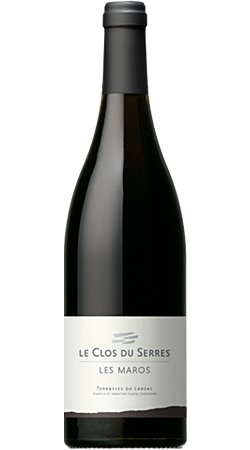
Shale soilsRare and of high quality, schist is a fine-grained rock. It is composed primarily of clay flakes and tiny mineral fragments found in the Earth's crust. Fractured schist allows vine roots to penetrate its fissures to a depth of seven to eight meters, thus accessing the water necessary for the plant. Schist makes the vine less susceptible to water scarcity and helps it cope more easily with water stress. This type of soil produces wines characterized by minerality, delicate aromas, and complexity. The cuvéesThe MarosAndThe Palacesthey come from this schist terroir.
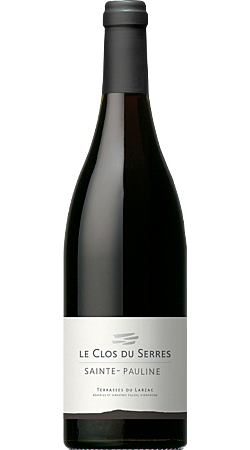
The soils of rolled pebblesThe pebbles were deposited by the waterways that once flowed here, polished over millennia. These are hard soils. The vines must persevere to find the necessary nutrients. They offer the advantage of storing and releasing even more heat. These soils produce powerful, full-bodied wines, while retaining roundness and suppleness. The cuvéeSaint PaulineAndLa Blacacome from this terroir of rolled pebbles.
The soils of RuffesThese are arid, ancient soils; the valley boasts one of the richest geological sites in Europe. The sandstone and clay, commonly called ruffes, originate from a slow deposition of sediments 270 million years ago. The red color of the ruffes comes from the iron oxide present in the soil. The low organic matter content further enhances the contact of the vine roots in the stony substrates, thus increasing the mineral tension on the finish found in the white wine.Fish Jump.
Organic viticulture and winemaking
Freshness and complexity of the wines
In the vineyard as in the winery, theorganicSoil activation is a priority for this passionate couple. The process begins with the first warm weather. After leaving the grass between the rows to encourage soil life, the vines are plowed to naturally remove the weeds. Particular attention is paid to the ripeness of each berry, which is achieved through strict bud thinning and short pruning. Preserving biodiversity in the vineyards is paramount; the vines are separated by woods, olive trees, and low stone walls. In 2016, they even installed beehives to attract their own bees to their vineyards. These are black bees from Clos du Serres, which produce a single-plot, terroir-driven honey.
In the winery, aging takes place exclusively in concrete tanks, preserving the freshness and purity of the terroir. Cellar work requires minimal intervention, with very gentle extractions aimed at achieving a beautiful expression of the terroir, fruit, and freshness. Maceration lasts between 8 and 20 days. The wines are then blended in January and aged for a year in concrete tanks before bottling. The winery is made with...Pierre du GardThis material was chosen for the construction of the winery because it is environmentally friendly, recyclable, and energy-efficient. One cubic meter of stone requires 100 times less energy to produce than one cubic meter of concrete; moreover, the stone blocks are recyclable and can be reused. The primary advantage of stone is its thermal inertia, which helps maintain a constant temperature in the winery. Thanks to the stone from the Gard region, the conditions are ideal for wine storage.