
Frédéric Mabileau
Learn more
No products found
Use fewer filters or remove all
History of the Estate Frédéric Mabileau
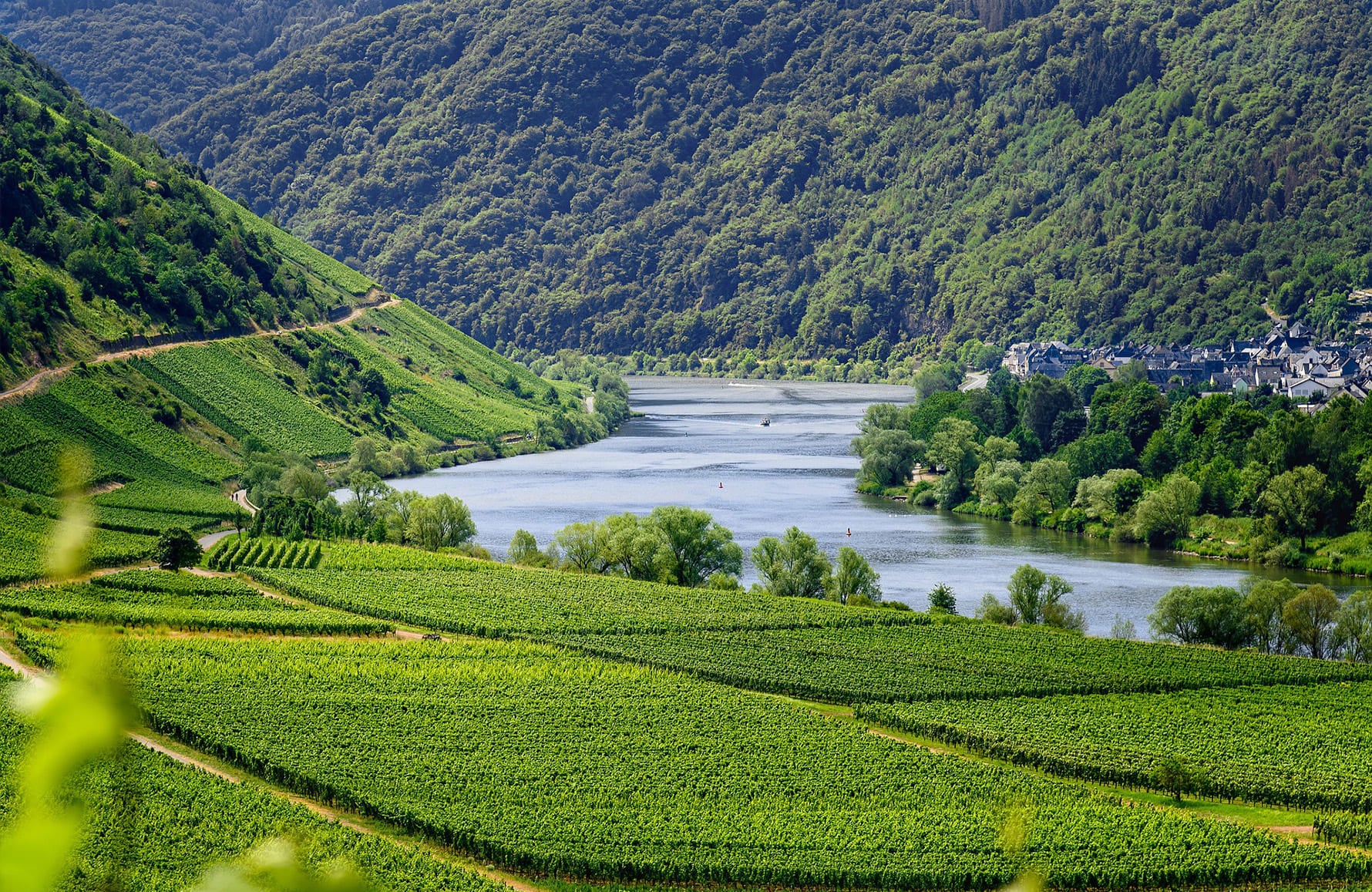
The Frédéric Mabileau estate from 1620 to the present day
A true family story
THEFrédéric Mabileau estatenow extends over28 hectares in the Loire Valley. ThereMabileau familyhas always cultivated vines, indeed it was already engaged in viticultural work as early as 1620.René Mabileauhe even participated in the Universal Exhibition in Paris as a winegrower.Frédéric MabileauAs for him, he only took over the family business in 1988 alongside his father, Jean-Paul. They worked together until 2003. During these fifteen years, Jean-Paul was at the head of the family estate, while Frédéric created a new estate of about ten hectares.
In 2003, when he finally became the sole manager of the two vineyards, Frédéric combined them into a single entity, effectively creating theFrédéric Mabileau EstateThis is how the vineyard now reaches28 hectaresIn total, spanning 4 different designations:Saint-Nicolas de Bourgueil, Bourgueil, Saumur and AnjouSince then, he has constantly improved his techniques in order to produce each vintage a wine that oscillates betweenmodernity and traditionFollowing his accident in 2020, viticulture lost a great talent and an exceptional winemaker.
The typical terroir of the Loire Valley
Typical wines
THEFrédéric Mabileau Estateis fortunate to havean ideal terroir for viticultureIndeed, this Loire Valley vineyard benefits from a temperate climate with slight oceanic influences, while being sheltered from the wind by a forest massif further north. Regarding the terroir, the vineyard is composed primarily of two types of soil, both situated on slopes. The first, higher up, is clay-sand with traces of limestone. The second, lower down the slope, is a more siliceous, sandy, stony soil composed of gravel.
Regarding the grape varieties, Cabernet Franc is by far the dominant variety, accompanied by Cabernet Sauvignon, to a lesser extent, at around 10%. Logically, the diversity of the terroir within theFrédéric Mabileau EstateThis allows for the production of very distinct wines. Indeed, the wines from plots with predominantly clay-limestone soils are more taut and structured. The wines from the second part of the vineyard, on the other hand, are fruitier and more luscious.
The shift towards organic viticulture
between naturalness and excellence
It was very important forFrédéric MabileauAs a winemaker, to have the impactthe most positive about its environmentThe vineyard is managed in a way that preserves the very fragile and vulnerable ecosystem as much as possible. Thus, as early as 2005, it embarked on the adventure of...organic viticultureFor example, by harvesting all the grapes by hand. Furthermore, chemical inputs are avoided as much as possible in order to cultivate the most natural and pure grapes possible. This also has the advantage of significantly improving their quality, especially since the berries are very meticulously sorted to retain only the best.
All efforts undertaken will lead to theFrédéric Mabileau Estateto the highly selective certification “vineyard cultivated using organic farming methodsTo go even further, its owner is now turning to thebiodynamicsThis involves rigorously respecting all the organic life present in the vineyard, following the cycles of the plants and the seasons, and, in particular, completely abandoning the use of chemical inputs. The estate is currently working towards biodynamic certification, and the quality of its wines is already incredible. Indeed, their pure fruitiness will bring you great pleasure during tasting.