The story of the Avril family
The influence of family in French viticulture
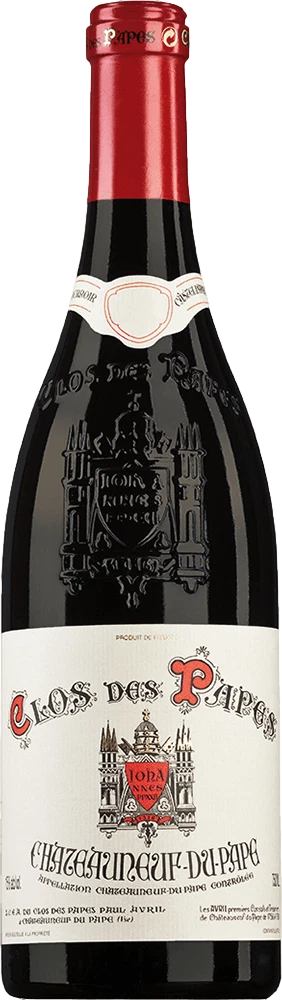
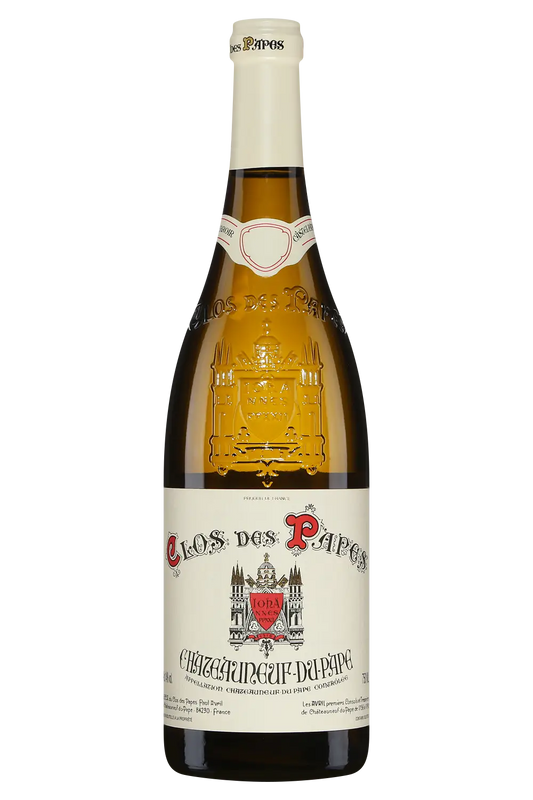
ThereApril familycounts among the most influential in the regionChâteauneuf-du-PapeThe famous city of kings welcomed it in the 17th century. From that time on, it cultivated vines and contributed to the considerable growth of the region. The name of the estate relates to the rich history of the region. For not far from the papal city, the productions ofClos des Papeswere served at the religious's table.
From 1896 onwards, the wines were marketed by Paul Avril, the great-grandfather of the current owner. The estate name was officially registered in 1902. From that moment on, a new battle occupied Mr. Avril. The Châteauneuf-du-Pape region was indeed the first to fight for its wines to obtain the same appellation recognition as its cheeses. Driven by this ambition, Paul Avril participated in the creation of the system for protecting regional winemaking expertise. This is todayPaul-Vincent Avrilwho manages Clos des Papes. It is a passion similar to that of his ancestors that drives him.
Viticulture according to the Avril family
A perfectly controlled, plot-by-plot viticulture
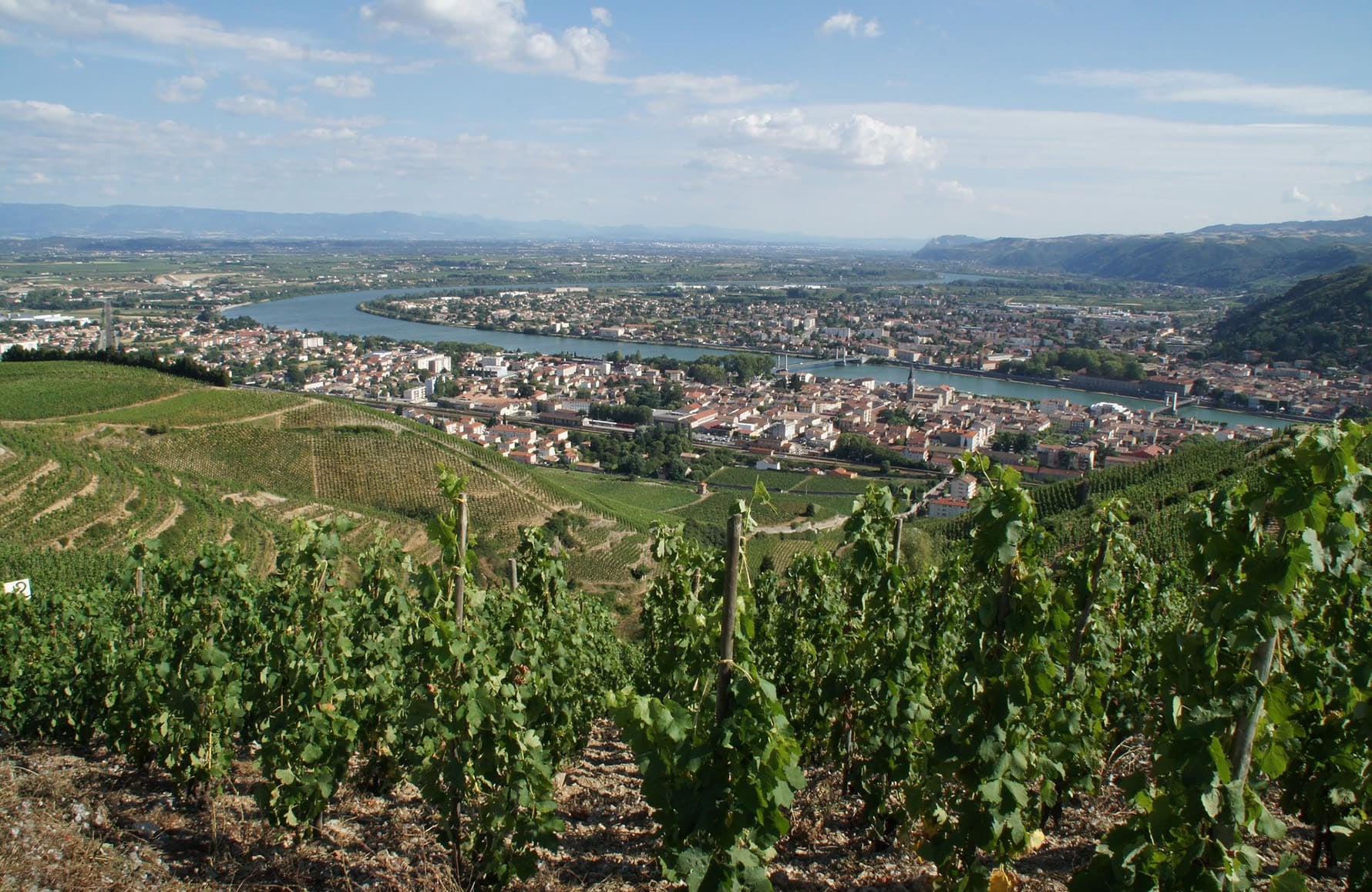
It is in the shadow of the city of the Popes that the 40 hectares of vineyards stretch out.Clos des PapesIt is divided into 24 plots, each receiving meticulous attention. The viticulture practiced by the teams isbiologicalFor about fifteen years now, red and white grape varieties have been cultivated on this terroir composed of clay, sand, and rolled pebbles. These pebbles are the pride of the region. Similar to gravel, they distribute the heat they absorb during the day to the vines. As a result, they are...very expressive and masculine wineswhich are produced. Thus, the Grenache, Mourvèdre, Syrah, Counoise, Vaccarèse, and Muscardin grape varieties are used to make the majority of red wines. Ten percent of the production is therefore reserved for white wines, which are a blend of Grenache Blanc, Roussanne, Picpoul, Bourboulenc, and Picardan. Bud thinning, soil cultivation, and green harvesting allow for strict control of yields. These yields are kept low to ensure extensive work onquality.
High standards in service of great wines
Meticulous winemaking
Viticulture and winemaking practiced by theClos des Papesis extremely demanding. Three sorting stages are carried out before the grapes are vinified:
- The first one takes place in the vineyard.
- The second one was in the truck.
- and the third on sorting tables.
After destemming, the grapes are transferred to concrete vats for fermentation. Regular pump-overs are carried out twice a day. While all the young wines, red or white, undergo a similar fermentation, the rest of the winemaking process is characterized by its unique approach. For example, the white wines are not aged in oak. They are matured on their fine lees in stainless steel tanks before being bottled. The red wines, on the other hand, are aged for 12 months in oak barrels. According toPaul-Vincent AvrilThis container is used solely for the wine's respiration. Thus, the winemaker does not seek to develop new aromas with the barrels. After this aging period, the wines are blended, without any filtration, and then bottled. Upon tasting, elegant and perfectly balanced wines are revealed. Clos des Papes showcases all the specific characteristics of the wines ofChâteauneuf-du-Pape, in its mostgreat elegance.