
Cedar Castle
Learn more
No products found
Use fewer filters or remove all
History of the Estate Cedar Castle
From Belgium to the Lot
The Verhaeghe family, ambassadors of Cahors wines
The story ofCedar CastleIts roots lie with the majestic cedar that adorns the property that would bear its name. Born from the ambitions of a Flemish family, its winemaking activity began in the Cahors region at the start of the 20th century. The Verhaeghe children initially developed mixed farming with one hectare of vines. It was in 1973 that, alongside the distillation of lavender,the Verhaeghebottle their first vintage.
They ultimately chose to work exclusively with vines and gradually acquired plots of land. Currently, the third generation is at the helm of Château du Cèdre. The two brothers,Pascal and Jean-Marie VerhaegheThey developed a passion for viticulture during their travels. They studied in Burgundy and then learned about foreign methods, particularly in the United States, before returning to their roots. The estate represents a true shared project in which the two brothers find fulfillment. The year 1995 marked a major turning point for the family as the vintage proved challenging. Indeed, the loss of 80% of the harvest prompted a serious rethinking of how to manage the estate. It was at this time that the distinctive style of Château du Cèdre was born. In line with this reflection, they began a conversion towards...organic viticultureand the Verhaeghe family obtains theEcocert certification in 2009.
The Cahors region
A constant questioning of winemaking methods
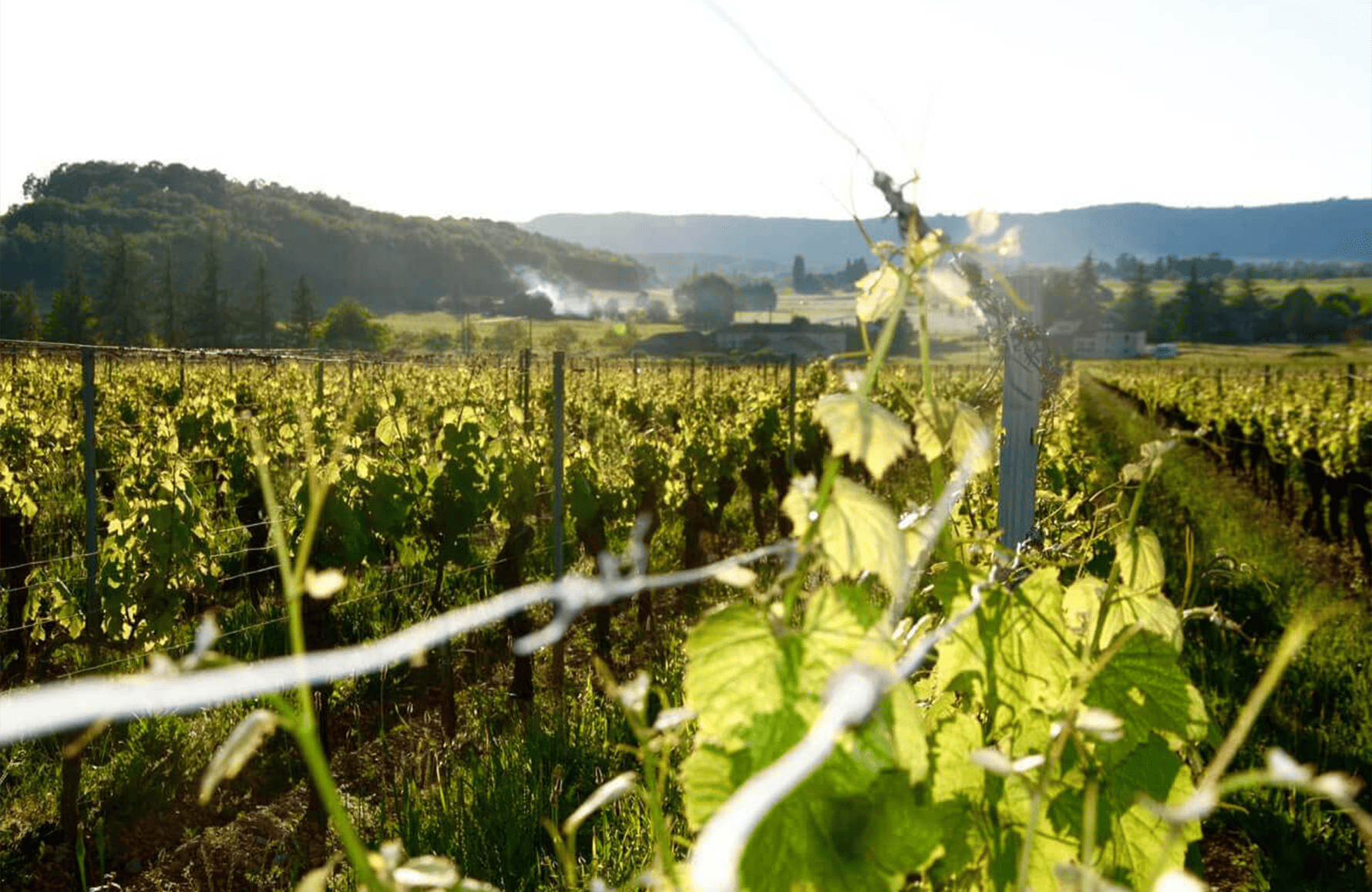
It's in theSouthwest, hasCahorswhere is theCedar CastleThe vineyard comprises no less than 27 hectares of vines. Malbec, Merlot, Tannat, Viognier, Sémillon, Muscadelle, and Sauvignon are among the grape varieties cultivated byJean-Marie VerhaegheDriven by their perfectionism, the winemaking teams are constantly innovating in their vineyard cultivation methods. The vines are planted on three different types of plots. The largest, covering 12.5 hectares, is called La Tran. It consists of limestone scree over a clay-sand subsoil. The two other plots, measuring 7.5 hectares and 5.5 hectares respectively, are composed of pebbles, iron-rich sand, clay, and silica. This allows each grape variety to express its full complexity and reveal the subtle nuances of these unique terroirs.
In addition to its rich soil composition, the estate's microclimate contributes to the exceptional grapes produced. Oceanic influences prevail during the first six months of the year, then give way to Mediterranean influences. These sea breezes help to cool the vines and protect them from disease. The Château de Cèdre vineyard enjoys aorganic viticultureand mechanical maintenance of the vines. Short pruning is carried out with particular attention paid to each vine.
The production of age-worthy wines
A winemaking process carried out with humility
It is a Burgundian philosophy that guides Bordeaux-style winemaking, practiced byPascal Verhaeghe.
After a hand-harvesting process, the grapes are meticulously sorted. Once destemmed and crushed, the grapes are placed in temperature-controlled vats for a vinification period that can last up to 30 days. White wines undergo regular lees stirring during this process. Red wines, on the other hand, are subjected to daily punch-downs. Once vinification is complete, the young wines are moved to aging. The must is aged in French oak barrels, 33% of which are new. Red wines will be aged for 20 to 22 months, while white wines will be aged on their lees for a slightly shorter period.
White winesCedar Castleare highly mineral. The red wines are fragrant and powerful. Each cuvée offered by the estate istailored for guard.