The History of the Estate
A late apprenticeship
In 1984, Chantal and Jean Berthet-Bondet bought the estate located atChâteau-ChalonNeither of them comes from winemaking families and they have to learn as they go. Jean, originally from Oyonna, was an agricultural engineer and learned the trade from...Jean MaclehasChâteau-Chalonbefore launching into his own field.
The couple therefore acquired the estate, which included the beautiful 16th-century house and several hectares of land. The 16th-century house was supposedly the residence of the abbey ofChâteau-ChalonThe building has been owned by several winegrowers and farmers who have expanded it. In 1986, the couple installed their winery in the old barn.
The vineyard and the family are growing. Gradually, Jean is passing the torch to his eldest of three children, Hélène. She is taking over the beautiful estate after her career as a translator in Brussels. She continues to make wine with respect for nature and the terroir, and the wines gain in precision with time.
The vineyard
Organic farming since 2013
The couple harvested their first grapes in 1985. Since then, the vineyard has grown to 11 hectares today. The very steep vines reach an altitude of 450 meters and overlook the village. This challenging terrain requires special care. The vineyard has been certified organic since 2013 and has always practiced sustainable agriculture. Regular soil cultivation and cover cropping help maintain healthy plant health in this delicate vineyard. Due to the steep slopes, mechanization is virtually impossible, and manual labor is preferred.
Of the 11 hectares of vineyards, 5 hectares are located in the appellations ofChâteau-Chalon, 6 inCôtes-du-JuraHalf of the vineyard is over 30 years old, the other half dates from around the 90s.
Indigenous grape varieties are used throughout the vineyard:
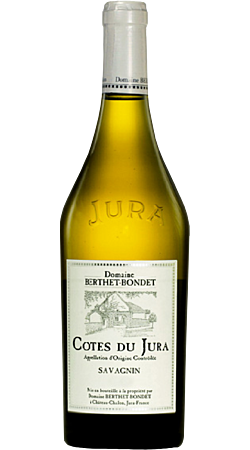
Savagnin(a grape variety typical of the Jura region, which is used in the production of the famous Vin Jaune)
Poulsard(red grape variety ofJura(those who prefer heavy, marly or clayey soils)
Keychain(often used in small quantities in blends, it needs more sun. It produces tannic wines with great aging potential)
Chardonnay
Pinot noir
Winemaking and wines of the estate
Classicism and respect for traditions
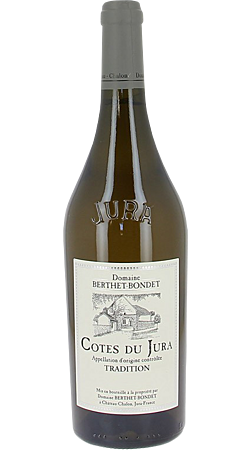
The wines undergo traditional vinification followed by relatively short aging periods to avoid overly oaky notes. The aging cellar is built into the rock, protected from humidity. In addition to its beauty, it ensures optimal aging conditions while promoting the formation of the veil of yeast. This veil is essential for the vinification of Savagnin wines, in particular.
The wines are certified organicbiologicalSince 2013, they have established themselves as some of the region's leading producers. Vins de voile (veiled wines) have become the estate's specialty. They are aged in vaulted cellars perfectly suited to their very slow maturation. Their Savagnin de voile is expertly crafted. The white wines, highly aromatic, are full of power and spice. The reds showcase the regional grape varieties. In short, the estate's wines are gaining in precision and reflecting regional traditions and respect for local terroirs.