Youth and dynamism
Ludovic Richard, Côte-Rôtie ambassador
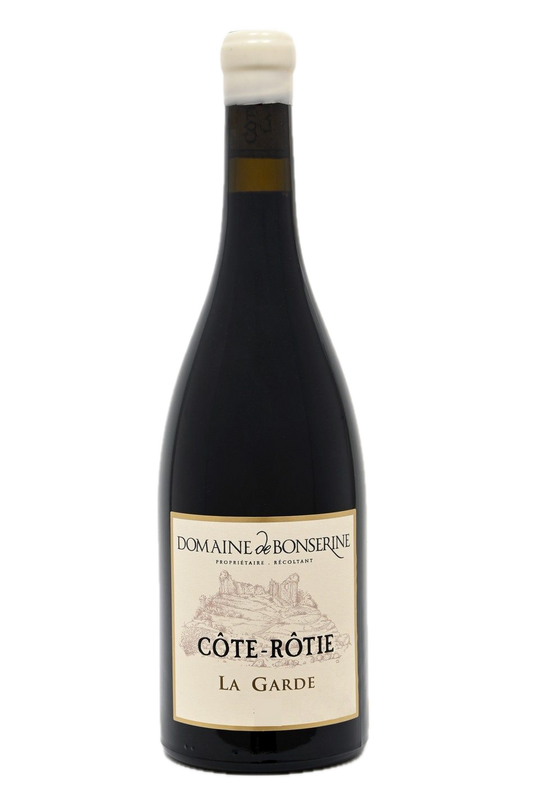
In the history of trade and viticulture, theRhône Valleyis known for enjoying numerous privileges. Thanks to the river, the region has a direct link with the Phocaean city. Since antiquity, therefore, the vineyards have continually expanded. It wasn't until 1961 that theBonserine estateemerges in the landscape of the region. Undoubtedly the name of the vineyard comes from the quality of the old Syrah grape varieties, which are called serine.
It is, moreover, the second largest domain of theCôte-Rôtie appellationAt the head of the operation isLudovic RichardPassionate about vines and the terroir, he oversees the development of his wines with great rigor. A drive to modernize the infrastructure was initiated in 1990. In 2006, 16 years later, theGuigal houseacquires ownership inpreserving his philosophyThus, theBonserine Estateretains its identity and produceswines emblematic of the region.
From Côte-Rôtie to Condrieu
The perfect conditions for making a great wine
THE12 hectares of vines from Domaine de Bonserineextend over the typical terroir ofnorth of the Rhône ValleyThe vines are cultivated on terraces, as is the custom in many vineyards.Rhône ValleyIt consists of significant slopes, making the work of the winegrowers indeed difficult. This configuration nevertheless allows for natural drainage of the clay-limestone soils.
The vines are supported by stakes, which simplifies vineyard maintenance. Furthermore, theCôte Rôtiehas the advantage of benefiting from excellent sun exposure, which ensures optimal ripeness of the grape bunches.
The estate practices sustainable viticulture inspired by organic farming. As such, natural fertilizers are used and plowing is done with horses. Leaf removal and bud thinning are also techniques employed by the winemakers to retain only the best berries.
THEDomaine De Bonserinecultivates Syrah on theCôte-Rôtie appellation(10 ha) and Viognier on theCondrieu appellation(2 ha). The Syrah vines are the oldest, hence the grape variety is called the Serine. These bunches are characterized by producing clusters with very concentrated aromas and rather small berries.
The expertise of a passionate winemaker
A winemaking process characterized by high standards
After a manual harvest by 40 passionate winemakers, the grapes are transported to the winery and sorted. Following destemming, the berries are placed in temperature-controlled tanks for the first maceration. Fermentation then takes place in barrels. No yeast is added, allowing the grapes to fully express their character. Once fermentation and malolactic fermentation are complete, the young wines are moved to the aging cellars.
This stage takes place in two types of containers: Burgundy barrels, of 228 liters, or smaller casks. This aging process lasts between 22 and 36 months, during which racking is carried out.
Following this plot-by-plot vinification, the winemakers proceed to blending. Here, a final selection is made. The blended wines are those resulting from an extremely rigorous selection process. From then on, theBonserine Estateoffers sublime wines.
The owners ofBonserine Estateact as true ambassadors for their region.