-
Domaine David Duband - 2021 - Coteaux-bourguignons blanc
Burgundy • Coteaux-bourguignons • White
Regular price 120,00€ tax includedSale price 120,00€ tax included Regular priceUnit price 20,00€ / unit -

94 WA - Free shipping 🚚
- ❄️ Winter Offer
Domaine J.A Ferret - 1er Cru Les Reisses Tournant de Pouilly 2020 - Pouilly-Fuissé
Burgundy • Pouilly-Fuissé • White
Regular price 392,00€ tax includedSale price 392,00€ tax included Regular priceUnit price 65,33€ / unit490,00€ -

- Free shipping 🚚
- ❄️ Winter Offer
Domaine J.A Ferret - 1er Cru Les Menétrières 2020 - Pouilly-Fuissé
Burgundy • Pouilly-Fuissé • White
Regular price 440,00€ tax includedSale price 440,00€ tax included Regular priceUnit price 73,33€ / unit550,00€ -

- Free shipping 🚚
Domaine de l'Arlot - 1er Cru Clos de l'Arlot Blanc Monopole 2023 - Nuits-Saint-Georges
Burgundy • Nuits-Saint-Georges • White
Regular price 450,00€ tax includedSale price 450,00€ tax included Regular priceUnit price -

Domaine de l'Arlot - 1er Cru Clos des Forêts Saint Georges, MONOPOLE 2023 - Nuits-Saint-Georges
Burgundy • Nuits-Saint-Georges • Red
Regular price 330,00€ tax includedSale price 330,00€ tax included Regular priceUnit price -

Domaine de l'Arlot - 1er Cru Clos de l'Arlot, MONOPOLE 2023 - Nuits-Saint-Georges
Burgundy • Nuits-Saint-Georges • Red
Regular price 330,00€ tax includedSale price 330,00€ tax included Regular priceUnit price -

- Free shipping 🚚
Domaine Henri Boillot - 1er Cru Caillerets 2023 - Volnay
Burgundy • Volnay • Red
Regular price 354,00€ tax includedSale price 354,00€ tax included Regular priceUnit price 118,00€ / unit -

- Free shipping 🚚
Domaine Claude Dugat - Griotte-Chambertin 2020
Burgundy • Griotte-Chambertin • Red
Regular price 1.176,00€ tax includedSale price 1.176,00€ tax included Regular priceUnit price 1.176,00€ / unit -

Domaine Jean et Sébastien Dauvissat - 1er Cru Montmains - Chablis 2018
Burgundy • Chablis • White
Regular price 39,60€ tax includedSale price 39,60€ tax included Regular priceUnit price 39,60€ / unit -

Jean et Sébastien Dauvissat - Chablis 1er Cru Vaillons Vieilles Vignes 2017
Burgundy • Chablis • White
Regular price 209,00€ tax includedSale price 209,00€ tax included Regular priceUnit price 34,83€ / unit -

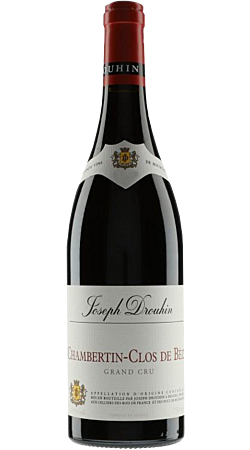
Jean-Marc Millot - Côtes de Nuits aux Faulques 2020
Burgundy • Côte de Nuits - Villages • Red
Regular price 274,00€ tax includedSale price 274,00€ tax included Regular priceUnit price 45,66€ / unit -
- Free shipping 🚚
Jean et Sébastien Dauvissat - Chablis Grand Cru Les Preuses 2017
Burgundy • Chablis • White
Regular price 360,00€ tax includedSale price 360,00€ tax included Regular priceUnit price 60,00€ / unit -

- Free shipping 🚚
Domaine Dugat-Py - Gevrey-Chambertin Vieilles Vignes 2020
Burgundy • Gevrey-Chambertin • Red
Regular price 396,00€ tax includedSale price 396,00€ tax included Regular priceUnit price 132,00€ / unit -

- Free shipping 🚚
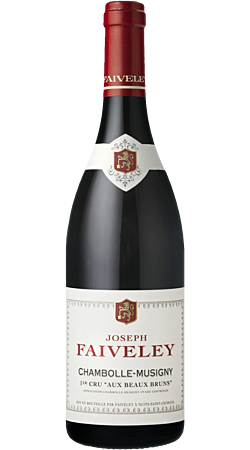
Domaine Joseph Faiveley - Nuits-Saint-Georges 1er Cru Les St Georges 2021
Burgundy • Nuits-Saint-Georges • Red
Regular price 515,00€ tax includedSale price 515,00€ tax included Regular priceUnit price 171,66€ / unit -
95 WA - Free shipping 🚚
- ❄️ Winter Offer
Domaine Dugat-Py - Gevrey-Chambertin 1er Cru Petite Chapelle Vieilles Vignes 2020
Burgundy • Gevrey-Chambertin • Red
Regular price 824,00€ tax includedSale price 824,00€ tax included Regular priceUnit price 274,66€ / unit1.037,00€ -

- Free shipping 🚚
- ❄️ Winter Offer
Domaine Dugat-Py - Gevrey-Chambertin Champeaux Très Vieilles Vignes 2020
Burgundy • Gevrey-Chambertin • Red
Regular price 622,00€ tax includedSale price 622,00€ tax included Regular priceUnit price 207,33€ / unit782,00€ -

- Free shipping 🚚
- ❄️ Winter Offer
Domaine Dugat-Py - Mazoyères-Chambertin Grand Cru 2017
Burgundy • Mazoyères-Chambertin Grand Cru • Red
Regular price 1.377,77€ tax includedSale price 1.377,77€ tax included Regular priceUnit price 459,25€ / unit1.785,60€ -

Domaine de la Pousse d'Or - Volnay 1er Cru Clos de la Bousse dOr Amphore 2021
Burgundy • Volnay • Red
Regular price 281,00€ tax includedSale price 281,00€ tax included Regular priceUnit price 93,66€ / unit -

Jean et Sébastien Dauvissat - Chablis 1er Cru Montmains 2019
Burgundy • Chablis • 1er Cru • White
Regular price 230,00€ tax includedSale price 230,00€ tax included Regular priceUnit price 38,33€ / unit0,00€ -

Jean-Marc Millot - Côtes de Nuits Vieilles Vignes 2020
Burgundy • Côte de Nuits - Villages • Red
Regular price 188,00€ tax includedSale price 188,00€ tax included Regular priceUnit price 31,33€ / unit -

Jean et Sébastien Dauvissat - Chablis 1er Cru Vaillons 2018
Burgundy • Chablis • White
Regular price 209,00€ tax includedSale price 209,00€ tax included Regular priceUnit price 34,83€ / unit0,00€ -

Jean et Sébastien Dauvissat - Chablis 1er Cru Vaillons Vieilles Vignes 2019
Burgundy • Chablis • White
Regular price 216,00€ tax includedSale price 216,00€ tax included Regular priceUnit price 36,00€ / unit -

Domaine Joseph Faiveley - Bourgogne Hautes Côtes de Nuits Les Dames Hugettes 2020
Burgundy • Hautes Côtes de Nuits • White
Regular price 130,00€ tax includedSale price 130,00€ tax included Regular priceUnit price 21,66€ / unit -

Domaine Patrick Javillier - Bourgogne Côte dOr Cuvée des Forgets 2021
Burgundy • Burgundy Côte d'Or • White
Regular price 137,00€ tax includedSale price 137,00€ tax included Regular priceUnit price 22,83€ / unit -

- ❄️ Winter Offer
Jean-Marc Millot - Côtes de Nuits aux Faulques 2018
Burgundy • Côte de Nuits - Villages • Red
Regular price 248,00€ tax includedSale price 248,00€ tax included Regular priceUnit price 41,33€ / unit310,00€ -

Jean-Marc Millot - Côtes de Nuits aux Faulques 2019
Burgundy • Côte de Nuits - Villages • Red
Regular price 310,00€ tax includedSale price 310,00€ tax included Regular priceUnit price 51,66€ / unit -

Jean-Marc Millot - Côtes de Nuits Vieilles Vignes 2019
Burgundy • Côte de Nuits - Villages • Red
Regular price 274,00€ tax includedSale price 274,00€ tax included Regular priceUnit price 45,66€ / unit -

Jean-Marc Millot - Savigny-lès-Beaune 2020
Burgundy • Savigny-lès-Beaune • Red
Regular price 274,00€ tax includedSale price 274,00€ tax included Regular priceUnit price 45,66€ / unit -

Domaine Faiveley - Marsannay Es Chezots 2020
Burgundy • Marsannay • Red
Regular price 281,00€ tax includedSale price 281,00€ tax included Regular priceUnit price 46,83€ / unit -

Jean-Marc Millot - Savigny-lès-Beaune 2019
Burgundy • Savigny-lès-Beaune • Red
Regular price 274,00€ tax includedSale price 274,00€ tax included Regular priceUnit price 45,66€ / unit
The domains of the appellation Burgundy
The Wine History of Burgundy
The first steps of Burgundy viticulture
Burgundy boasts a rich winemaking history dating back to Roman times, when the first vines are believed to have been planted. Traces of structured wine production in the region can be found as early as the 3rd century. However, it was truly during the Middle Ages, thanks to the influence of Benedictine and Cistercian monks, that Burgundian viticulture flourished. The monks, owners of vast tracts of land, skillfully cultivated the diverse terroirs and structured the region into specific plots based on soil quality and exposure, an approach that gave rise to the renowned climats of Burgundy.
The influence of religious movements
The Cistercians, who settled at Cîteaux Abbey in 1098, played a pivotal role in the development of viticulture in Burgundy. Their meticulous approach to vine cultivation and their profound knowledge of the soils revealed the unique characteristics of Burgundy's terroirs. They also introduced the idea of differentiating wines according to their geographical origin, thus contributing to the modern concept of terroir. This classification of vineyard plots into climats has remained unchanged throughout the centuries and is still one of the region's most distinctive features today.
The birth of grand cru and premier cru wines
From the 14th century onwards, the Dukes of Burgundy, concerned with preserving the quality of the wines produced in their region, took steps to regulate production. It was under their rule that Burgundy wines began to be considered among the most prestigious in France. Over time, certain vineyard plots distinguished themselves through the exceptional quality of their wines, leading to the creation of the Grand Cru and Premier Cru classification system we know today. Monks continued to play a key role in establishing this hierarchy, identifying the best plots, which are now protected and valued under these prestigious appellations.
Winemaking techniques in Burgundy: between tradition and innovation
A traditional approach that is respected
In Burgundy, winemaking is based on a deep respect for traditional methods, while also adapting to technological advancements to improve wine quality. Aware of the great diversity of terroirs, Burgundian winemakers strive to fully express the character of each plot through meticulous winemaking techniques. Whether for red or white wines, the approach focuses on extracting the purest flavors, while preserving the balance and finesse that are essential characteristics of great Burgundy wines.
Red Winemaking
The king of red Burgundy grapes is undoubtedly Pinot Noir. This grape, renowned for its fragility, requires particular attention during vinification. The grapes are harvested by hand to preserve their integrity, then carefully sorted. Fermentation generally takes place in open vats, allowing for maceration that promotes the extraction of aromas and tannins. During this phase, great care is taken to avoid compromising the finesse of the Pinot Noir. Aging, which can last from 12 to 18 months, then takes place in French oak barrels, often new or one to two years old, to impart subtle notes of vanilla, sweet spices, and wood. Winemakers also use techniques such as punching down and pumping over to adjust the tannin concentration, depending on the vintage and the desired style.
White Winemaking
For white wines, the main grape variety is Chardonnay, which thrives in the limestone soils of Burgundy. The vinification of white wines follows a rigorous process aimed at preserving the wine's freshness and minerality while developing its aromatic complexity. After fermentation in barrels, often accompanied by malolactic fermentation to soften the acidity, the wines are aged on their fine lees. This practice adds volume and texture to the wines, while maintaining great fruit purity. Great white Burgundy wines, such as those from Meursault or Puligny-Montrachet, often benefit from extended aging in oak barrels, imparting buttery, nutty, and brioche notes.
The Evolution Towards Sustainable Practices
In recent years, many Burgundy estates have embraced more environmentally friendly winemaking practices, such as biodynamic or organic farming, and have thus entered the organic wine market . This transition is driven by a desire to preserve the region's exceptional terroirs for future generations. Renowned estates, such as Domaine Leroy and Domaine de la Romanée-Conti, have adopted these approaches, reducing the use of chemicals and favoring a more natural approach to soil and vineyard management.
The soils of Burgundy: a geological treasure
A remarkable diversity
Burgundy's soils are as diverse as its wines. Each plot, or climat, has unique geological characteristics, allowing for the production of wines in a wide variety of styles. Limestone soils, rich in marine fossils, are predominant in the region and give the white wines their freshness and minerality. In the Côte de Nuits, the more clay-rich soils favor the cultivation of Pinot Noir, bringing depth and structure to the red wines.
The soils of the Côte de Nuits
The Côte de Nuits is a sub-region particularly renowned for its red wines, and its soils play a crucial role in their quality. Composed of alternating layers of clay, limestone, and silt, these soils offer a perfect balance for growing Pinot Noir. Appellations such as Gevrey-Chambertin and Vosne-Romanée benefit from optimal sun exposure and well-drained soils that allow the vines to draw deeply from the earth, resulting in wines that are both powerful and elegant.
The soils of the Côte de Beaune
Further south, the Côte de Beaune is famous for its white wines, although some of Burgundy's finest red wines are also produced there. The soils are more calcareous, particularly in appellations like Meursault and Puligny-Montrachet, which favors the development of Chardonnay. These soils impart a pronounced minerality to the white wines, along with aromas of white-fleshed fruit and citrus, supported by a lively acidity that ensures their longevity.
Burgundy grape varieties: the elegance of Pinot Noir and the minerality of Chardonnay
Pinot Noir, the essence of Burgundy red wines
Pinot Noir is the flagship grape variety of Burgundy's red wines. Renowned for its sensitivity to terroir, it expresses a wide range of aromas depending on where it is grown. In the cooler climates of the Côte de Nuits, it develops aromas of cherry, raspberry, and forest floor, with a fine yet present tannic structure. As it ages, Pinot Noir gains complexity, revealing notes of truffle, leather, and sometimes even game.
Chardonnay, the star of white wines
Chardonnay, a universal grape variety, finds its noblest expression in Burgundy. From the limestone soils of Chablis to the richer terroirs of the Côte de Beaune, this grape adapts to a wide variety of climatic and geological conditions, while retaining its elegance. White Burgundy wines are often described as rich and complex, with pronounced minerality, aromas of white-fleshed fruit, citrus, butter, and sometimes hazelnut. These wines, particularly the Grands Crus, have impressive aging potential and can develop beautifully for several decades.
Secondary grape varieties in Burgundy: Aligoté and Gamay
Aligoté: the traditional white wine
Aligoté, less well-known than Chardonnay, is a historic grape variety in Burgundy, often used to produce fresh and crisp white wines. Primarily grown in regional appellations like Bouzeron, this grape yields wines with floral and citrus aromas and a pronounced acidity. While it may not reach the complexity of Chardonnay, Aligoté is appreciated for its straightforward and refreshing character. It is also the key ingredient in the famous Burgundian cocktail, Kir, which blends Aligoté wine and crème de cassis.
Gamay: a popular grape variety in Beaujolais
Although Gamay is primarily associated with the Beaujolais region, which is administratively part of Burgundy, it also plays a minor role in some Burgundy wines. This red grape variety produces fruity, easy-drinking wines with notes of cherry, raspberry, and sometimes a touch of spice. Gamay wines are generally lighter than those made from Pinot Noir and are intended to be consumed young. However, some producers, particularly in the more southerly appellations, are experimenting with more serious Gamay-based wines.
The Great Estates of Burgundy: between tradition and prestige
Domaine de la Romanée-Conti: The pinnacle of Burgundy wine
Domaine de la Romanée-Conti, or "DRC," is undoubtedly the most iconic wine estate in Burgundy, if not the world. Located in the small village of Vosne-Romanée, this estate is the source of some of the rarest and most sought-after wines for aging in the world. Among its prestigious vineyards, Romanée-Conti Grand Cru stands out as one of the most expensive and emblematic wines on the planet. The de Villaine and Leroy families, co-owners of the estate, continue to ensure that the quality of each vintage remains impeccable. Respect for the terroir and natural cycles is at the heart of DRC's philosophy, which has practiced biodynamic viticulture for many years. This method aims to foster harmony between the vine and its environment, without the use of synthetic chemicals, in order to best express the finesse, longevity, and elegance of great red Burgundy wines.
Domaine Bouchard Père et Fils: A Century-Old Heritage
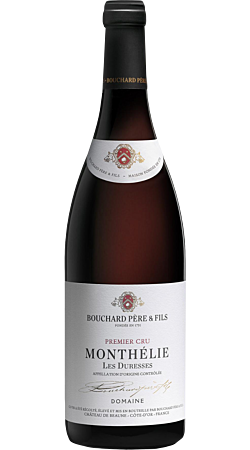
Founded in 1731, the Bouchard Père et Fils Estate Bouchard Père et Fils is one of the oldest and largest estates in Burgundy. With over 130 hectares of vines, a large portion of which are Premier Cru and Grand Cru vineyards, this estate embodies the excellence and diversity of Burgundy's terroirs. Present in both the Côte de Beaune and the Côte de Nuits, Bouchard Père et Fils produces wines of great precision, renowned for their complexity and aging potential. Among its flagship wines, the Montrachet Grand Cru and the Beaune Grèves Vigne de l'Enfant Jésus are true gems of Burgundy viticulture. This estate has successfully combined tradition and innovation to perpetuate the renown of its wines, while continuing to adapt to changes in climate and winemaking techniques.
Domaine Anne Gros
Domaine Anne Gros, located in Vosne-Romanée, is a small family estate that has made a name for itself among the greats. Anne Gros, one of Burgundy's most talented winemakers, produces red wines of remarkable finesse and elegance, including Grand Crus such as Clos Vougeot and Richebourg. The precision of her work in the vineyards and cellars has elevated the estate to the ranks of the region's most respected producers.
Domaine de l'Arlot
Domaine de l'Arlot, in Nuits-Saint-Georges, is renowned for its wines produced from biodynamically farmed plots. This estate, which produces both red and white wines, is particularly known for its Nuits-Saint-Georges Premier Cru and Clos de l'Arlot appellation wines. Its wines are distinguished by their freshness, fine tannins, and excellent aging potential.
Bart Estate
Located in Marsannay, Domaine Bart is one of the most respected producers in the Côte de Nuits. With vineyards spanning several appellations, including Marsannay and Fixin, the estate produces powerful and balanced red wines, as well as a few white wines. The estate is appreciated for its excellent value, while maintaining remarkable consistency in the quality of its vintages.
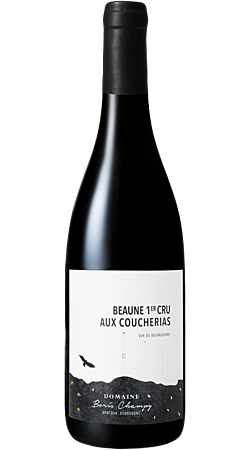
Boris Champy Estate
Domaine Boris Champy, located in the Côte de Beaune, is a relatively new but already highly respected player in the Burgundy wine scene. Boris Champy, former technical director at Domaine de la Romanée-Conti, practices organic and sustainable viticulture in his vineyards. His wines, produced in small quantities, are sought after for their purity and clear expression of terroir.
Chamirey Castle
Château de Chamirey is a historic estate located in the Mercurey appellation of the Côte Chalonnaise. This family-run estate is distinguished by the diversity of its terroirs and the quality of its red and white wines, primarily made from Pinot Noir and Chardonnay grapes. Château de Chamirey wines are renowned for their elegance, structure, and aging potential.
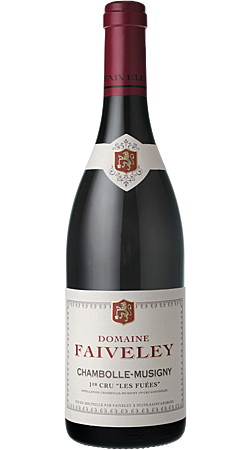
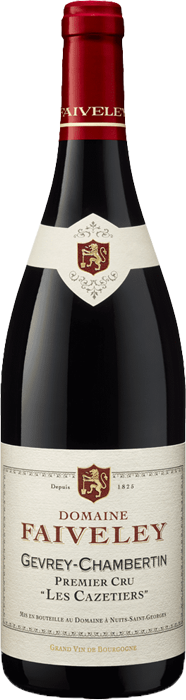
Faiveley Estate
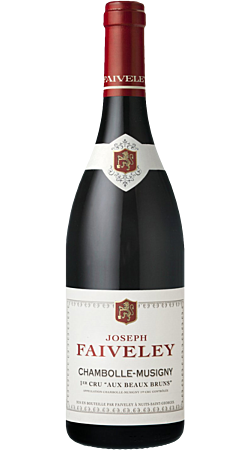
Domaine Faiveley , founded in 1825, is one of the largest and oldest estates in Burgundy. With vineyards spread over more than 120 hectares, the estate produces wines in the principal appellations of the Côte de Nuits and Côte de Beaune. The estate's red wines, particularly Grands Crus such as Corton Clos des Cortons and Chambertin Clos de Bèze, are renowned for their structure and longevity.
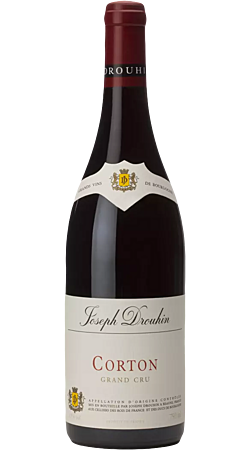
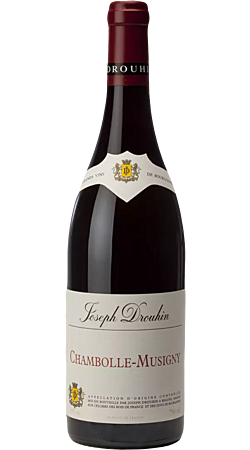
Joseph Drouhin
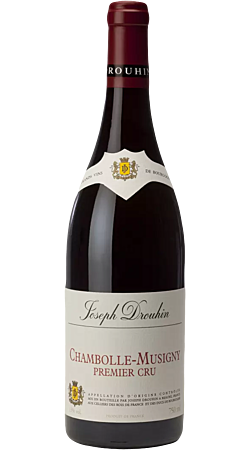
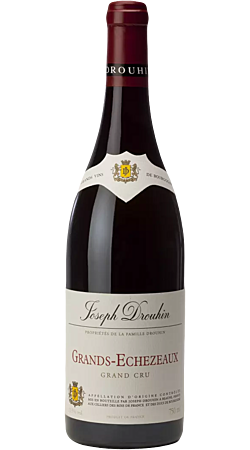
The Joseph Drouhin House Founded in 1880, Joseph Drouhin is one of Burgundy's most important family-owned wineries. With vineyards spanning over 80 hectares, Joseph Drouhin is present in almost all of Burgundy's major appellations. The wines produced by the house, both red and white, are renowned for their finesse, purity, and ability to reflect the specific characteristics of their terroirs.
Tower Castle
Located in the heart of the Clos Vougeot appellation, Château de la Tour is one of the few estates that owns 100% of its vineyards in Clos Vougeot Grand Cru. The estate's wines are classic examples of the appellation, with a firm tannic structure, aromas of dark fruit, and impressive aging potential. The estate has been perpetuating a tradition of quality for several generations.
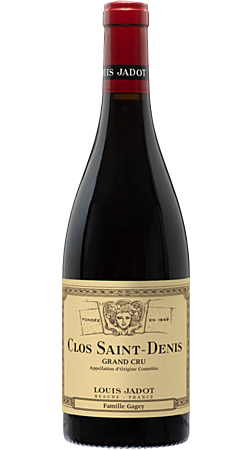
Louis Jadot
Louis Jadot is one of Burgundy's most renowned and respected wine houses. Founded in 1859, the house cultivates a vast vineyard throughout the region, producing wines ranging from regional appellations to Grand Crus. Louis Jadot is known for its consistent quality and adherence to traditional winemaking methods. Its white wines, particularly those from the Côte de Beaune, are especially prized for their balance and depth.
Partridge Estate
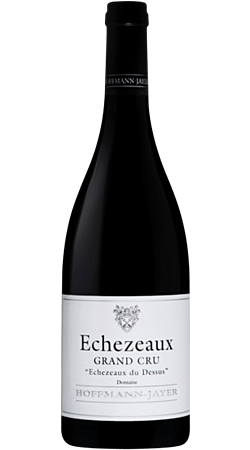
Domaine des Perdrix , located in Nuits-Saint-Georges, is a family estate that has quickly made a name for itself thanks to the quality of its red wines. Grands Crus such as Echézeaux and Premiers Crus of Nuits-Saint-Georges are distinguished by their richness and aging potential. The estate practices sustainable viticulture, with an emphasis on preserving the terroir and the purity of aromas.
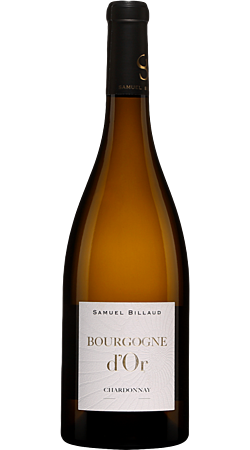
Samuel Billaud Estate
Domaine Samuel Billaud is one of the most talented producers in Chablis. Samuel Billaud, formerly a partner at Domaine Billaud-Simon, established his own estate in 2010, and his wines have quickly become benchmarks in the Chablis appellation. With a minimalist approach in the cellar and meticulous work in the vineyards, Samuel Billaud's wines are renowned for their precision, minerality, and longevity.
Domaine Pierre Girardin
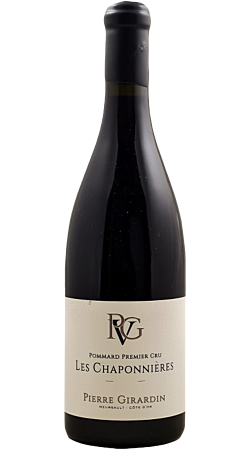
Domaine Pierre Girardin , located in the Côte de Beaune, is run by the talented young winemaker Pierre-Vincent Girardin. This recently founded family estate produces wines from some of the region's finest vineyards. The estate's wines, both red and white, are distinguished by their purity, precision, and aging potential. Girardin is quickly establishing himself as one of Burgundy's most promising young talents.
Trapet Father and Son Estate
The Trapet Père et Fils EstateLocated in Gevrey-Chambertin, this estate is a pioneer of biodynamic viticulture in Burgundy. Founded in 1919, it produces exceptional red wines, notably Chambertin Grand Cru and Latricières-Chambertin. The estate's wines are distinguished by their finesse, their perfect balance between power and elegance, and their ability to age beautifully.
Domaine William Fèvre
Domaine William Fèvre is a leading name in the Chablis appellation. With over 78 hectares of vineyards, a large portion of which are classified as Premier and Grand Cru, the estate is renowned for the quality of its white wines, which combine freshness, minerality, and aromatic complexity. William Fèvre is particularly famous for its Chablis Grand Cru wines, notably Les Clos and Bougros.
Domaine Arnoux-Lachaux
Located in Vosne-Romanée, Domaine Arnoux-Lachaux is one of Burgundy's hidden gems. It is renowned for producing incredibly elegant red wines, particularly in Grand Cru vineyards such as Romanée-Saint-Vivant and Echézeaux. The family-run estate practices terroir-conscious viticulture, with limited yields to maximize quality.
Bertagna Estate
The Bertagna Estate Based in Vougeot, Bertagna owns prestigious parcels in appellations such as Clos de Vougeot and Chambertin. The estate's wines are renowned for their elegance, complexity, and aging potential. Bertagna practices sustainable viticulture, emphasizing terroir preservation and the production of authentic wines.
Comte de Vogüé Estate
Domaine Comte de Vogüé is one of the most prestigious producers in Chambolle-Musigny. With vineyards in Grand Cru Musigny, Bonnes-Mares, and Premier Cru Les Amoureuses, this estate produces wines of great finesse, combining power and elegance. The estate's wines are renowned for their longevity, with aging potential that can exceed several decades.
Groffier Père et Fils Estate
Domaine Groffier Père et Fils, located in Morey-Saint-Denis, is a family-run estate producing some of the most sought-after red wines of the Côte de Nuits. Its Grands Crus, notably Chambolle-Musigny Les Amoureuses and Bonnes-Mares, are renowned for their aromatic concentration and silky texture. The estate is known for its meticulous work in the vineyards and the cellar.
Domaine Lamarche
Domaine Lamarche is another jewel of Vosne-Romanée. With a small area of Grand Cru vineyards, notably in La Grande Rue, a Lamarche family monopole, this estate produces red wines of great elegance and rare complexity. Biodynamic viticulture and meticulous winemaking make this estate an essential benchmark in the region.
Domaine des Lambrays
Located in Morey-Saint-Denis, the Domaine des Lambrays is one of the most respected estates in the Côte de Nuits. Its Clos des Lambrays Grand Cru is one of the region's most prestigious wines, renowned for its depth and complexity. The estate practices sustainable viticulture, striving to maximize the expression of the terroir in each of its wines.
Domaine Méo Camuzet
Domaine Méo Camuzet is one of the most renowned producers in the Côte de Nuits, with vineyards in appellations such as Vosne-Romanée, Clos de Vougeot, and Richebourg. Méo Camuzet wines are known for their aromatic intensity and complexity, combining richness and finesse. The Méo family practices sustainable viticulture, with a particular emphasis on respecting the soil and ecosystems.
Domaine de la Vougeraie
Domaine de la Vougeraie, based in Premeaux-Prissey, is a modern estate, founded in 1999, but already renowned for the quality of its wines. With a biodynamic approach from the outset, the estate produces wines that reflect the purity of the terroir. Its Grands Crus, such as Clos de Vougeot and Bonnes-Mares , are sought after for their finesse and elegance.
The Main Appellations and Climates of Burgundy
Grand Cru appellations: the pinnacle of the scale
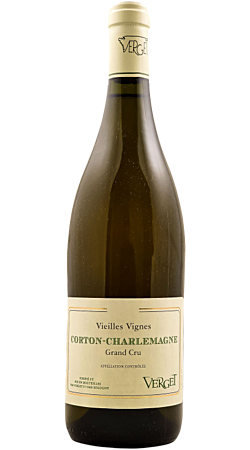
In Burgundy, Grand Cru appellations represent the pinnacle of the wine hierarchy. These exceptional vineyards, often small in size, produce wines of unparalleled quality. Among the most famous Grand Crus are La Romanée-Conti, Montrachet, Clos de Vougeot , and Corton-Charlemagne. These wines, produced in limited quantities, are highly sought after by enthusiasts worldwide. They are renowned for their longevity, aromatic complexity, and their ability to uniquely reflect their terroir.
Premier Cru appellations: a great wealth
Just below the Grands Crus are the Premiers Crus, which also represent a guarantee of superior quality. Every village in Burgundy has Premier Cru vineyards, often situated on the best slopes. Premiers Crus, such as Gevrey-Chambertin Clos Saint-Jacques or Meursault Perrières offer excellent value for money compared to Grands Crus, while also showcasing very specific characteristics linked to their terroir. These wines are ideal for enthusiasts seeking prestigious bottles that are more accessible than Grands Crus.
Village appellations: a reflection of the local terroir
Village appellations represent the entry level for quality wines in Burgundy. They generally bear the name of the village where they are produced, such as Chablis , Pommard, or Chambolle-Musigny. These wines, often more affordable than Premier and Grand Cru wines, nevertheless remarkably express the specific characteristics of Burgundy's terroirs. Whether red or white, Village appellation wines are perfect for discovering the incredible diversity of Burgundy without breaking the bank.
The Climats: a term unique to Burgundy
The term "climat" is unique to Burgundy and refers to a carefully delimited vineyard plot, often one that has existed for centuries, possessing unique geological and climatic conditions. There are over 1,200 climats in Burgundy, each with its own distinct character. This concept is so essential to Burgundian viticulture that it has been inscribed on UNESCO's World Heritage List. The most famous climats include Romanée-Conti, Les Amoureuses, and Montrachet, all synonymous with exceptional wines.
Burgundy Food and Wine Pairings: Sublime Alliances
Burgundy Red Wines: Essential Allies of Gastronomy
Burgundy red wines, made primarily from Pinot Noir, are renowned for their finesse and elegance, making them ideal companions for a wide variety of dishes. A Nuits-Saint-Georges, for example, will beautifully complement a leg of lamb roasted with herbs or duck with cherries. For game lovers, a Gevrey-Chambertin or a Vosne-Romanée is the perfect choice, with its aromas of dark fruit and spices that pair wonderfully with wild boar or venison.
White Burgundy wines: perfect with seafood and cheeses
White Burgundy wines, particularly those made from Chardonnay, are equally versatile. A Chablis, with its minerality and vibrancy, is perfect with oysters, scallops, or grilled fish. The richer, more opulent wines of Meursault or Puligny-Montrachet pair wonderfully with dishes in sauce, such as chicken in a cream sauce or Burgundy snails. As for cheese, great white Burgundy wines are the ideal accompaniment to a selection of mature cheeses, especially goat cheeses and soft cheeses like Brillat-Savarin.
Unexpected pairings: Burgundy wines and world cuisine
Although Burgundy wines are traditionally associated with French cuisine, they also pair beautifully with international dishes. A fine, delicate Pinot Noir can perfectly complement Japanese cuisine, especially dishes featuring tuna or grilled beef. Similarly, a well-structured Chardonnay can enhance spicy Thai cuisine, tempering the flavors while offering a lovely, lingering finish.
The great vintages of Burgundy: an overview
A region subject to the whims of the weather
Burgundy is a wine region where weather conditions play a crucial role in the quality of each vintage. Due to its continental climate, this region is subject to frequent weather events, such as spring frosts, summer hailstorms, and periods of drought or excessive humidity. These events can affect both the quantity and quality of the harvest, making each vintage unique. Consequently, Burgundy wine enthusiasts closely monitor the progress of each harvest to determine which years will be most conducive to producing great wines.
The benchmark vintages of recent decades
Among the best recent vintages, 2010 stands out, considered an exceptional year for both red and white wines. In 2010, the weather conditions allowed for a slow and even ripening of the grapes, thus promoting optimal concentration of aromas and tannins. The red wines from that year are particularly refined, with beautiful acidity and impressive aging potential.
The 2015 vintage, on the other hand, was marked by a hot, dry summer, resulting in richer, more powerful, and concentrated wines, especially the reds. White wine lovers were also delighted with this vintage, as the Chardonnays offered great aromatic complexity and a beautiful acidity that balanced their natural opulence.
Other years, such as 2017, have produced more accessible wines ready to be enjoyed quickly, with supple tannins and a lovely freshness, while 2018 was a particularly generous year, both in quantity and quality, with rich and voluptuous wines.
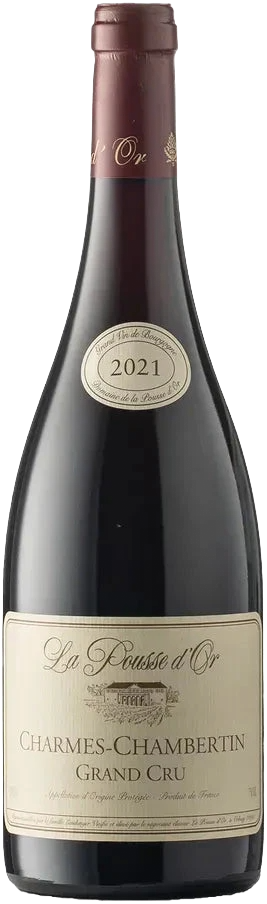
The 2021 vintage is a recent one that has garnered significant interest from wine lovers due to its unique characteristics. Despite challenging weather conditions, marked by spring frosts and heavy rainfall, Burgundy winemakers were able to leverage their expertise to produce wines of remarkable quality. Burgundy 2021 wines are distinguished by their lovely freshness, pronounced acidity, and great aromatic purity, in both reds and whites. This vintage offers precise, elegant, and refined wines, perfect for discerning enthusiasts seeking wines with strong aging potential. Whether you're looking for Grand Cru wines or more accessible cuvées, Burgundy 2021 wines deserve a place in your cellar.
The 2022 Burgundy vintage is characterized by particularly favorable weather conditions, resulting in wines of great maturity. The year 2022 was marked by a hot, dry summer, allowing for excellent concentration of aromas in the grapes. Both red and white Burgundy wines exhibit a beautiful richness and exceptional aromatic depth. The red wines are distinguished by their silky tannic structure and notes of ripe fruit, while the whites reveal a lovely minerality accompanied by white-fleshed fruit. This vintage promises balanced wines, approachable young but also possessing good aging potential, thus appealing to both wine lovers and discerning collectors.
Climate change: a new challenge
Climate change is also affecting Burgundy vineyards, altering the characteristics of certain vintages. Earlier harvests are becoming common, sometimes resulting in higher levels of ripeness, with rounder, less acidic wines. Winemakers are adapting their practices to cope with these changes, for example by adjusting harvest dates and seeking to preserve the freshness of the wines, notably by reducing direct sunlight in certain plots.
The Burgundy wine route: a journey through the vineyards
A legendary route for wine lovers
The Burgundy wine route is a must-see for wine lovers who want to explore some of the world's most prestigious terroirs up close. This route, stretching over 60 kilometers, winds through the vineyards of the Côte de Nuits and the Côte de Beaune, offering breathtaking views of the region's rolling landscapes. It connects some of the most famous wine villages, such as Vosne-Romanée, Gevrey-Chambertin, and Pommard, where visitors can tour cellars and taste exceptional wines.
Discovering the Climats of Burgundy
Along this route, visitors have the opportunity to discover the famous "climats" of Burgundy. Each climat, whether classified as Grand Cru, Premier Cru, or Village, represents a unique plot with its own microclimate and distinct geological characteristics. Information panels and vineyard trails allow visitors to learn more about the history and specific features of each plot.
The village of Chassagne-Montrachet, for example, is famous for its vineyards producing exceptionally fine white wines, while the Romanée-Conti vineyard in Vosne-Romanée is world-renowned for its exceptionally elegant red wine. This journey through the vineyards offers a deeper understanding of why Burgundy wines are so unique and sought after.
Tasting experiences
Many cellars and estates along the Burgundy wine route open their doors to visitors, offering tasting experiences that allow them to appreciate the diversity of the region's wines. Whether in the historic cellars of Beaune or the small family-run estates of the Côte de Nuits, visitors can taste wines from all appellations, from simple village wines to the most prestigious Grand Crus. The winemakers often share their stories and their passion for the vine, making each visit unique and enriching.
Map of Burgundy wines: a dive into wine geography
A map rich in terroirs
Burgundy is one of the most complex wine regions in the world, not only because of the quality of its wines, but also because of the diversity of its terroirs. A Burgundy wine map highlights the numerous appellations, classified into four levels: Grands Crus, Premiers Crus, Village Appellations, and Regional Appellations. This hierarchy reflects the exceptional quality and diversity of the region's terroirs.
Understanding the names on the map
Looking at a map of Burgundy wines helps to better understand the layout of the vineyards and the importance of the plots' exposure. For example, the Grands Crus of the Côte de Nuits are often located on the mid-slopes, where the soil is most favorable and the sun exposure optimal. The Premiers Crus, situated just below, often share the same characteristics, but with slight geological variations that influence the quality of the grapes.
The sub-regions of Burgundy
Burgundy is divided into several sub-regions, each with its own specific characteristics. The wine map clearly illustrates this division between Chablis, the Côte de Nuits, the Côte de Beaune, the Côte Chalonnaise, and the Mâconnais. Each sub-region produces wines with distinct characteristics. For example, Chablis, located further north, is famous for its crisp, mineral white wines, while the Côte de Nuits is renowned for its powerful red wines.
Buy Burgundy wines at Cavissima
Cavissima offers an exceptional selection of Burgundy wines, from Grands Crus to more accessible appellations. Whether you prefer elegant reds made from Pinot Noir or complex whites based on Chardonnay , you'll find bottles to suit all your tastes. Cavissima is the online wine buying specialist !
Our experts carefully select wines from the finest Burgundy estates , guaranteeing quality and authenticity. When you buy from Cavissima, you also benefit from personalized advice to optimize your wine cellar and ensure the best possible preservation of your bottles. Explore our collection of Burgundy and Bordeaux wines now and enjoy a unique online shopping experience.